Can Clearview Fencing Be Cut? A Detailed Security Analysis
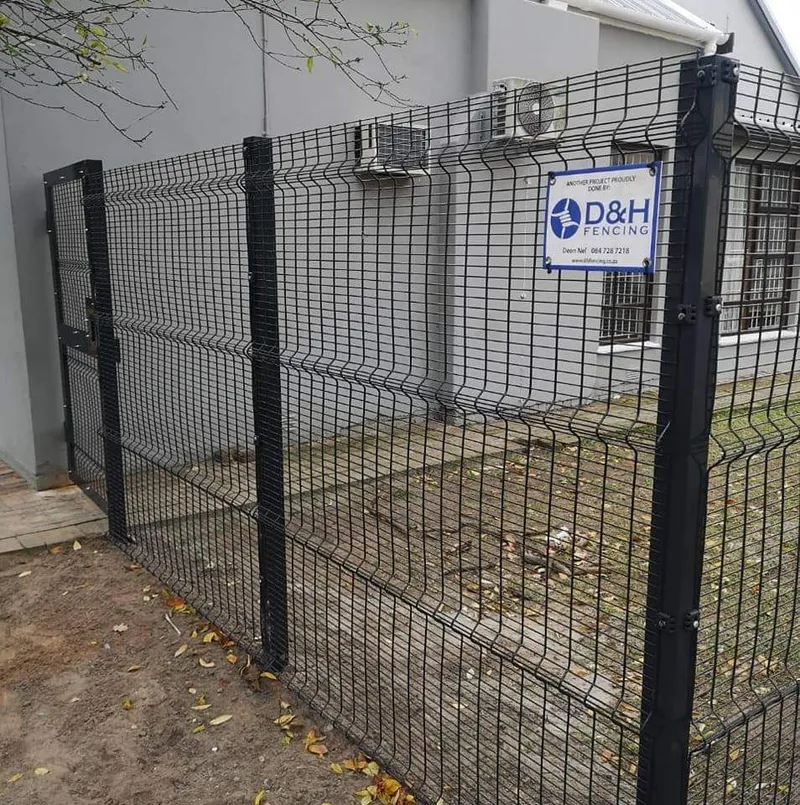
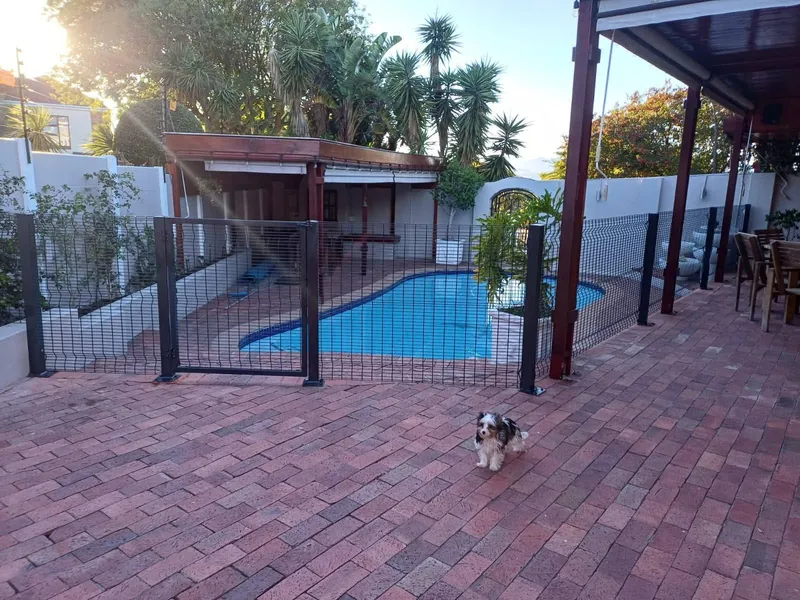
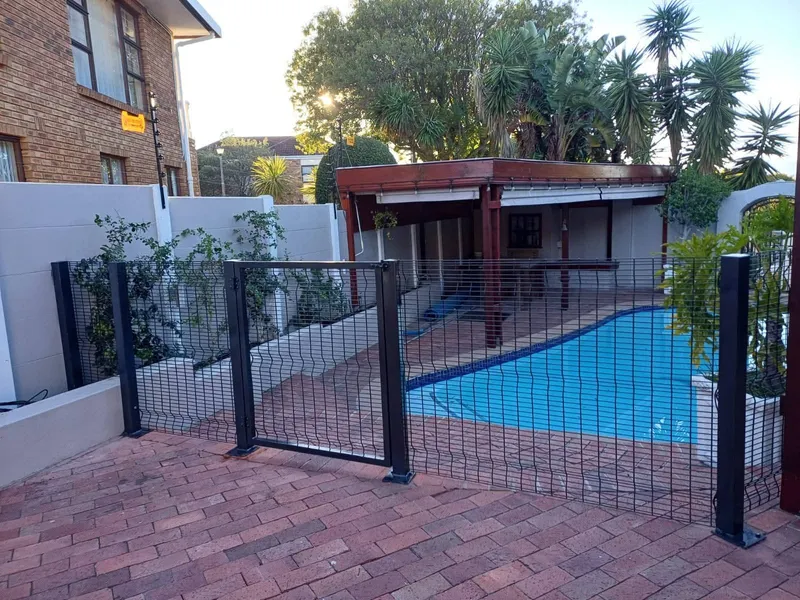
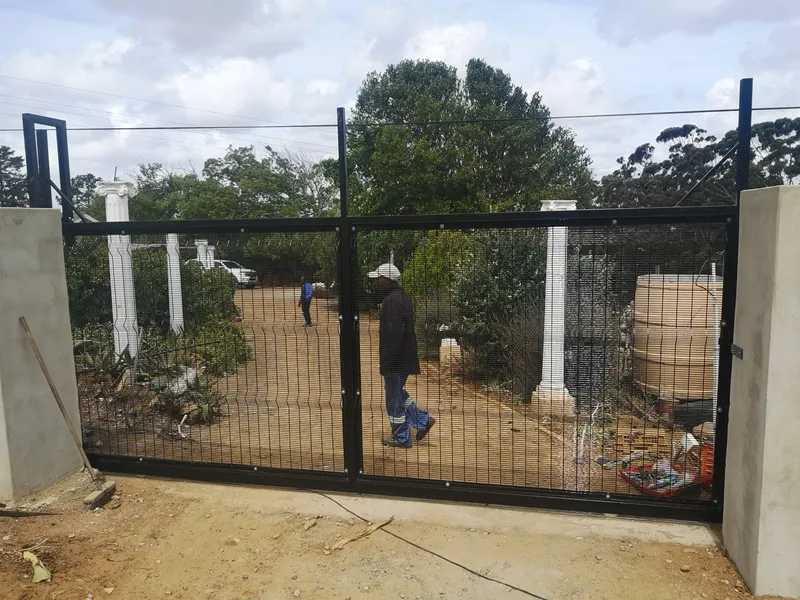
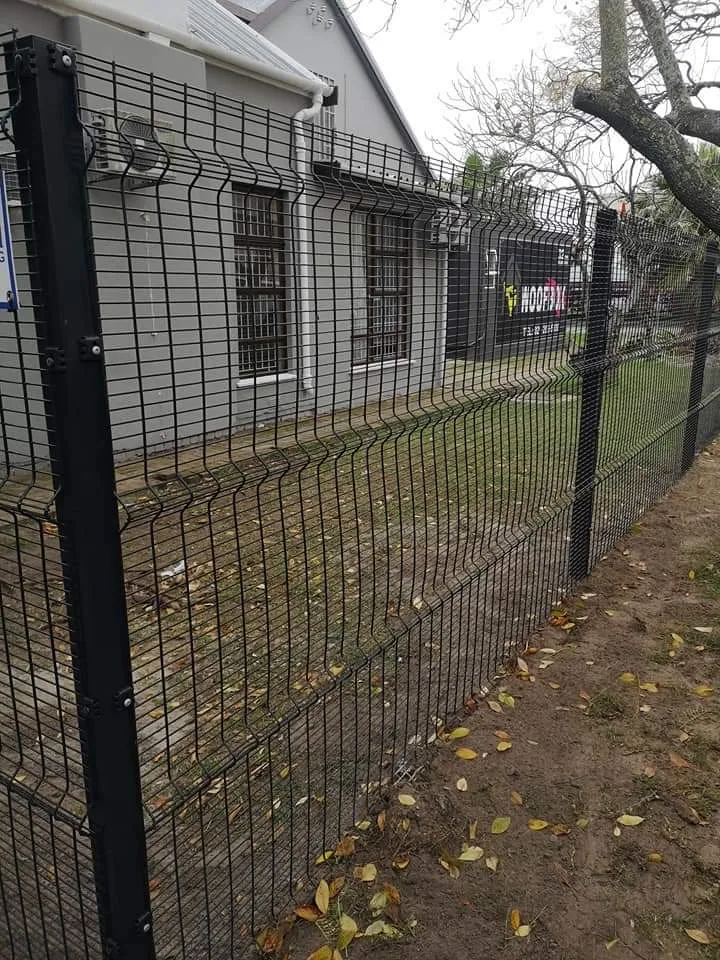
It is one of the most common questions property owners ask before investing in perimeter security: can clearview fencing actually be cut through? The short answer is that while no fence is 100% impenetrable, quality 358 clearview mesh is extraordinarily difficult to breach and ranks among the most cut-resistant fencing options available anywhere in the world.
In this article, we examine the engineering behind clearview's anti-cut properties, the tools criminals would need, how long a breach attempt takes, and what you can do to maximise the security of your clearview fencing installation.
Understanding the 358 Mesh Specification
The term "358" is not a random number. It refers to the critical dimensions that make this mesh so secure:
- 3 inches (76.2mm): The vertical wire spacing
- 0.5 inches (12.7mm): The horizontal wire spacing
- 8 gauge (4mm): The wire diameter
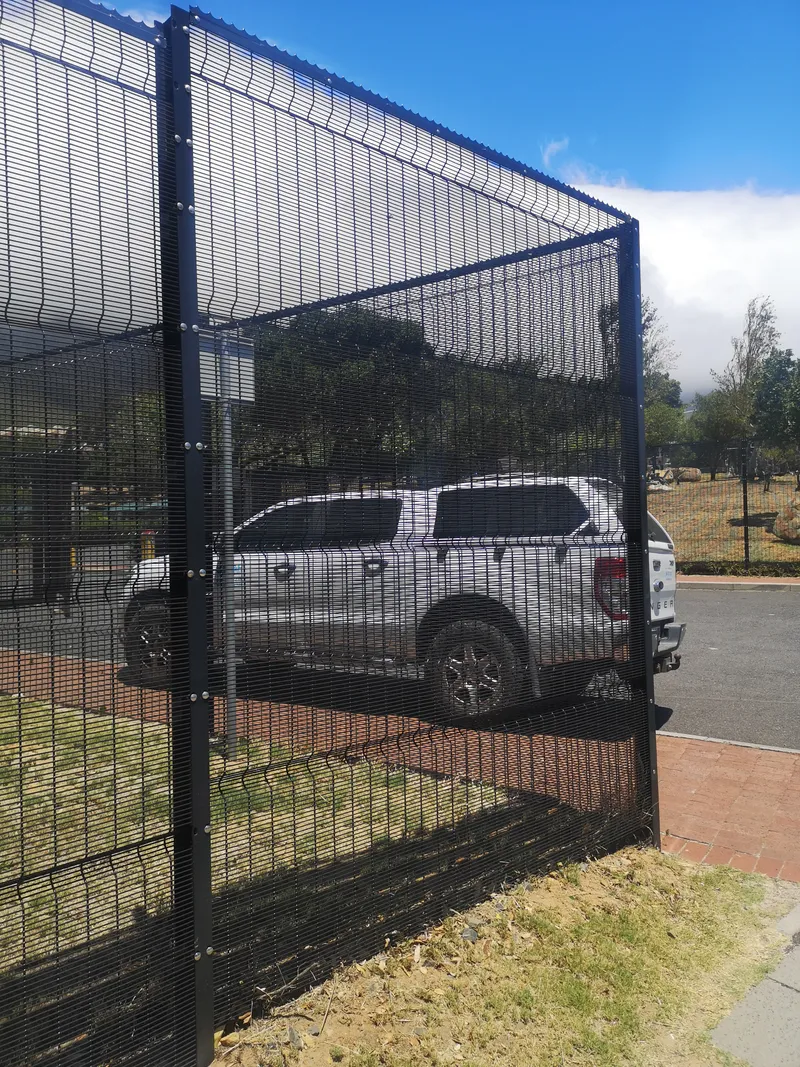
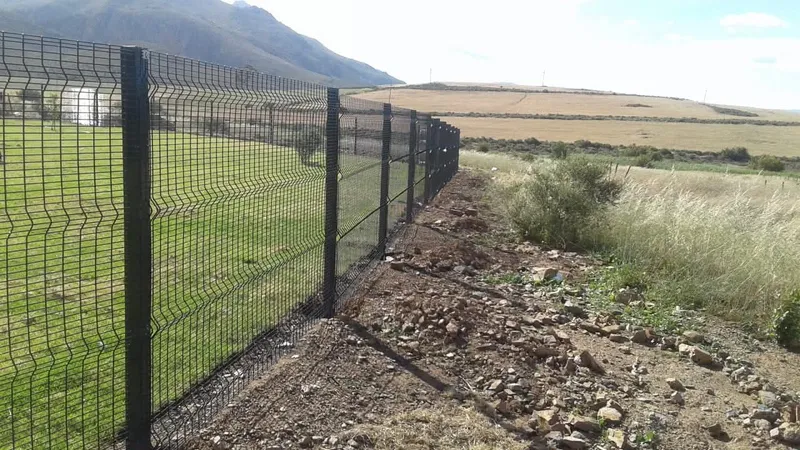
These three measurements work together to create a mesh that is fundamentally different from standard welded mesh or chain-link fencing. The tight horizontal spacing means you cannot get your fingers through the mesh to grip it, which is why 358 mesh is also called "anti-climb" and "anti-finger" mesh. The 4mm wire diameter provides the structural strength that resists cutting tools.
To put the wire thickness in perspective: standard welded mesh fencing typically uses 3mm or 3.5mm wire, while diamond mesh (chain-link) uses just 2.5mm to 3mm wire. That extra millimetre in 358 mesh makes a significant difference in cut resistance because the force required to cut through wire increases exponentially with diameter, not linearly.
What Happens When Criminals Try to Cut Clearview Fencing?
Let us examine the tools typically used in break-in attempts and how 358 mesh stands up to each:
Household Wire Cutters and Pliers
Standard wire cutters and pliers found in a domestic toolbox cannot cut through 4mm hot-dip galvanised steel wire. Criminals attempting to use these tools will fail. The wire is simply too thick, and the jaws of household tools cannot generate enough leverage. This rules out opportunistic break-ins by unprepared intruders.
Bolt Cutters
Small bolt cutters (up to 350mm / 14 inches) struggle with 4mm wire and are largely ineffective. Medium bolt cutters (450-600mm / 18-24 inches) can cut individual wires but require significant effort and time. Each wire must be cut individually, and due to the tight mesh spacing, the opening created by cutting a few wires is still too small for a person to fit through.
To create an opening large enough to climb through (roughly 400mm x 400mm), a criminal would need to cut approximately 30-40 individual wires. Even with quality bolt cutters, this would take 15-25 minutes of sustained, noisy effort. This is far longer than most intruders are willing to spend at a perimeter fence, especially one that offers no visual cover from the outside.
Angle Grinders
A battery-powered angle grinder is the most effective tool against 358 mesh. It can cut through individual wires in seconds. However, angle grinders are loud (85-100 decibels, comparable to a chainsaw), produce highly visible sparks, and still require several minutes of cutting to create a passable opening. The noise and visual signature make this approach extremely high-risk for criminals, particularly on properties with neighbours, CCTV, or alarm systems.
Hydraulic Cutters
Professional hydraulic cutters can cut 4mm wire quickly, but these tools are expensive, heavy, and not commonly carried by criminals. They are primarily used by emergency services and demolition crews.
Why 358 Mesh Is Used in High-Security Facilities
The security credentials of 358 clearview mesh speak for themselves. This exact specification is the standard for:
- Correctional facilities: Prisons across South Africa, the UK, and Australia use 358 mesh for perimeter and internal security fencing
- Military installations: Military bases specify 358 mesh for its anti-climb and anti-cut properties
- Government buildings: Embassies, courts, and government facilities worldwide rely on 358 mesh
- Power stations and utilities: Critical infrastructure facilities use 358 mesh to protect against sabotage
- Airports: Perimeter fencing at airports frequently uses 358 or similar high-security mesh
If 358 mesh is trusted to secure prisons and military bases, it is more than capable of protecting residential and commercial properties in Cape Town. The same specification available for these high-security facilities is exactly what gets installed on your property when you choose clearview fencing.
Secure Your Property with Prison-Grade Fencing
Our 358 clearview mesh is the same specification used in correctional and military facilities.
The Layered Security Approach
While 358 clearview mesh is highly cut-resistant on its own, security professionals always recommend a layered approach. No single barrier should be your only line of defence. Here is how to build a comprehensive perimeter security system:
Layer 1: Physical Barrier (Clearview Fencing)
Your 358 mesh fence is the primary physical barrier. It prevents climbing, resists cutting, and forces intruders to invest significant time and effort in any breach attempt. Choose a height of 2.1m or 2.4m for maximum security.
Layer 2: Active Deterrent (Electric Fencing)
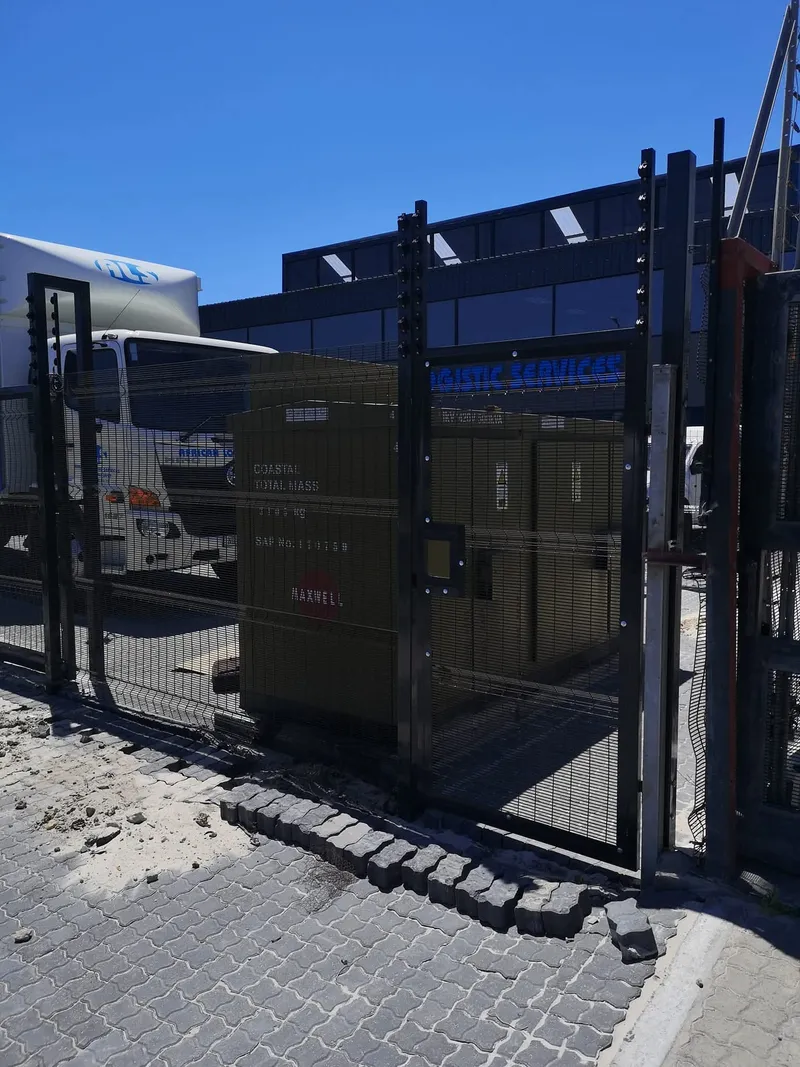
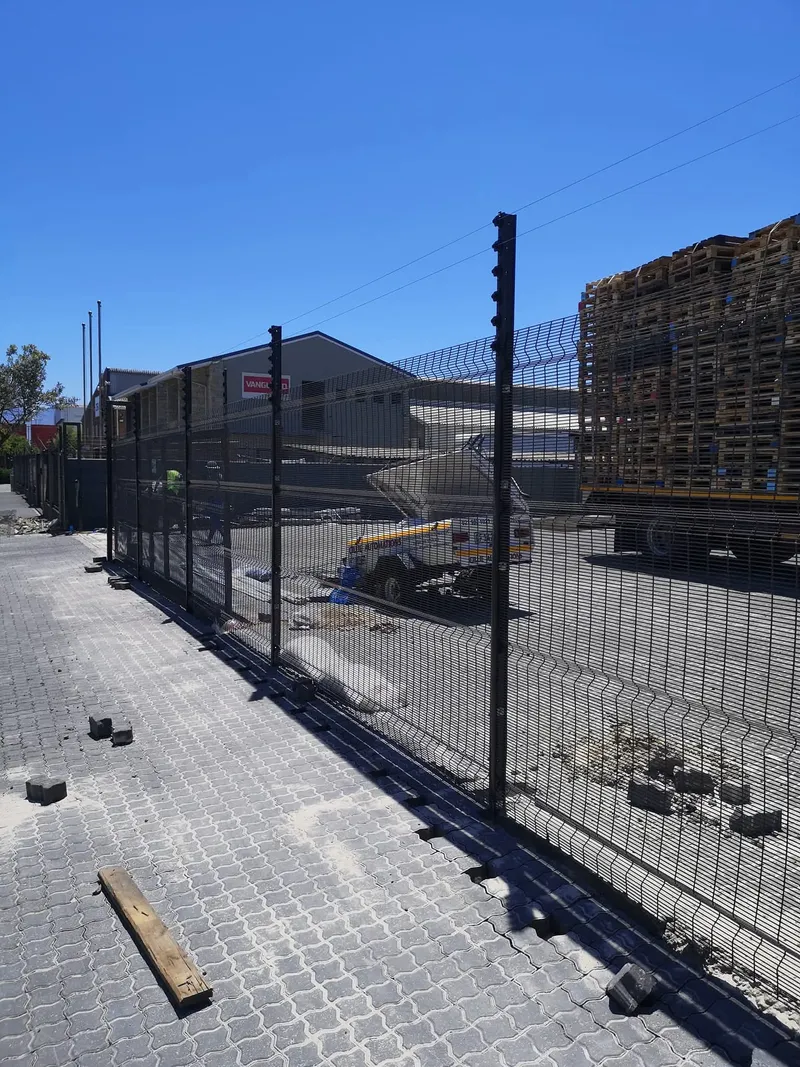
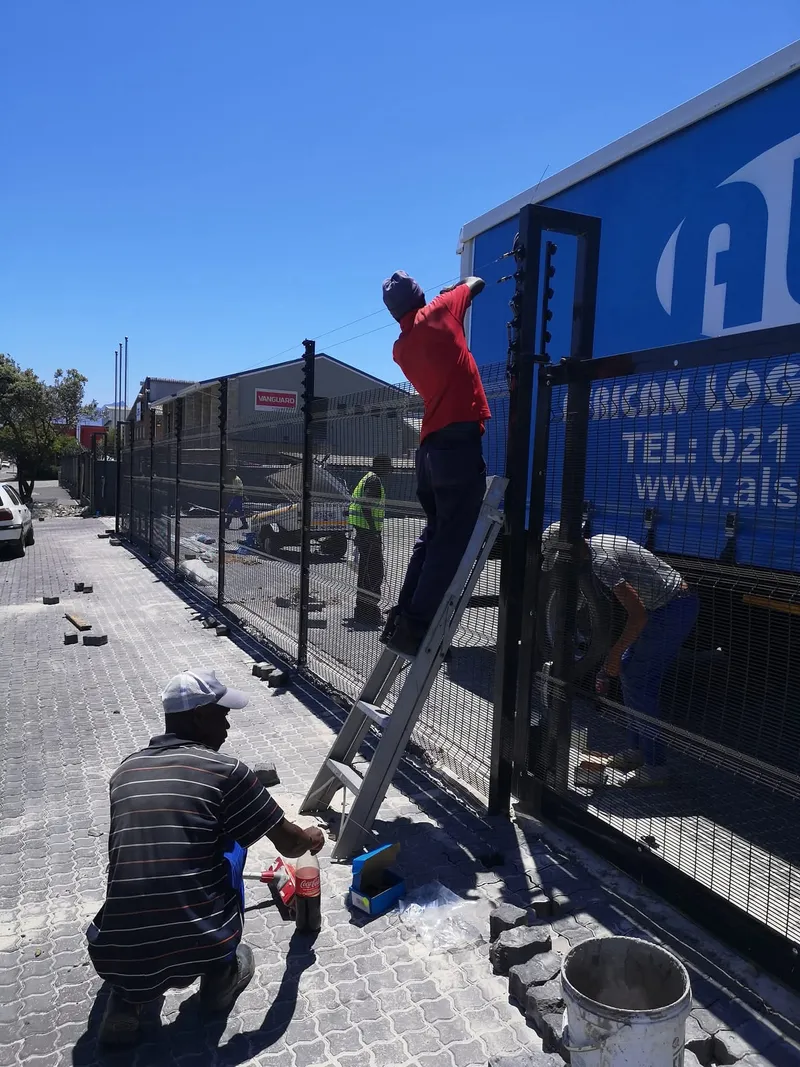
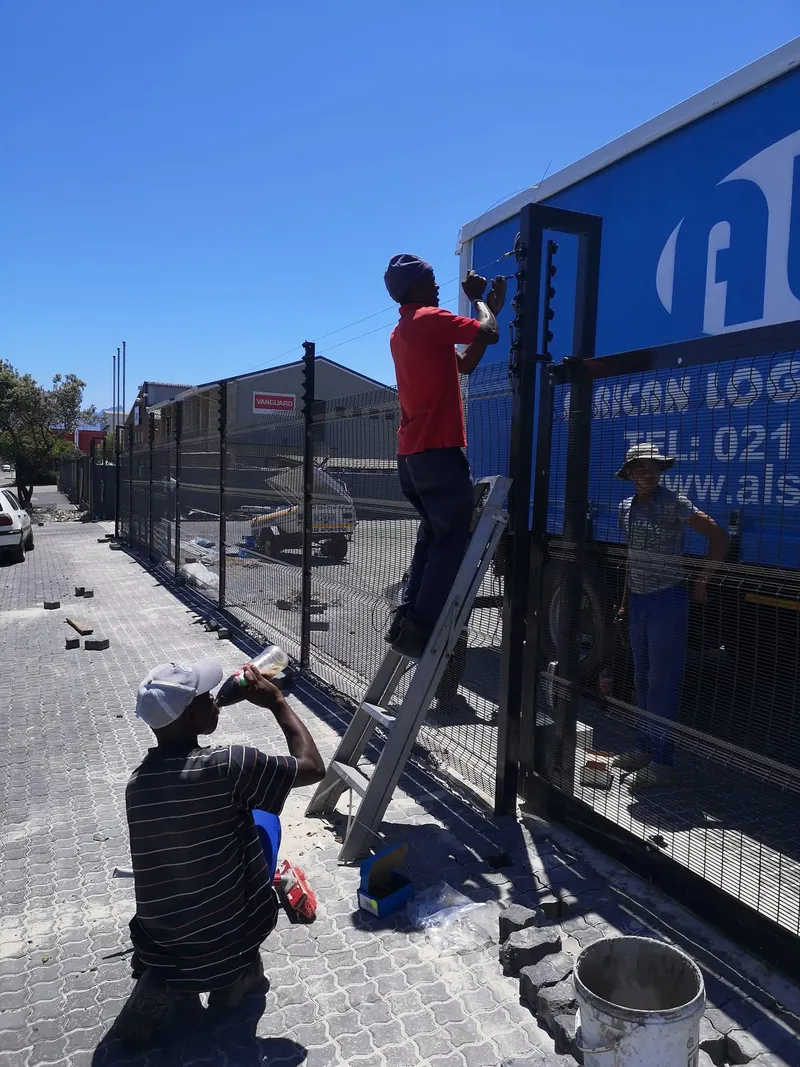
Adding electric fencing on top of your clearview fence creates a powerful second layer. The electric wires deliver a non-lethal but memorable shock to anyone touching them, and the energiser triggers an alarm the moment a wire is cut or tampered with. This means that even if someone were to attempt cutting the clearview mesh, the electric fence would alert you immediately.
Layer 3: Surveillance (CCTV)
Because clearview fencing is transparent, CCTV cameras can monitor the full perimeter without obstruction. Solid walls and dense palisade fencing create blind spots that cameras cannot cover. Position cameras to cover the fence line, access points, and any areas where an intruder might attempt to work unobserved.
Layer 4: Detection (Motion Sensors and Beams)
Infrared beams and motion sensors along the fence line provide early warning of approach. These systems can trigger lights, alarms, or armed response before an intruder even reaches the fence.
Layer 5: Response (Armed Response and Community Security)
All the barriers and detection systems in the world are most effective when backed by a rapid response capability. Ensure your security system is linked to an armed response service, and participate in community security initiatives like neighbourhood watches and WhatsApp groups.

Anti-Tamper Fixings: An Often Overlooked Detail
One vulnerability that is sometimes overlooked is the fixings that attach the mesh panels to the posts. Standard bolts can be removed with basic tools, allowing entire panels to be lifted away without any cutting at all. This is why quality installations use anti-tamper fixings.
Anti-tamper fixings include:
- Shear nuts: The hex head shears off when tightened, leaving a smooth dome that cannot be gripped with spanners or pliers
- Security screws: Require a special tool to remove, such as pin-Torx or snake-eye heads
- Welded connections: Mesh panels welded directly to posts, eliminating removable fixings entirely
- Concealed fixings: Bolts and clips positioned on the secure side of the fence where they cannot be accessed from outside
When getting quotes for your security fencing, always ask what type of fixings are included. Premium installations use anti-tamper fixings as standard; budget installers often do not.
Practical Tips to Maximise Your Clearview Fence Security
Based on our experience installing clearview fencing across Cape Town, here are actionable steps to get the most security from your investment:
1. Choose the Right Height
For security applications, go with 2.1m or 2.4m rather than the standard 1.8m. The additional height significantly increases the difficulty of any scaling attempt. For more detail on how height affects cost, see our cost factors guide.
2. Eliminate Ground Gaps
Ensure the mesh extends to ground level or is set into a concrete plinth. Any gap at the bottom is a potential entry point. On uneven ground, ask your installer about stepped panels or raked (angled) mesh to follow the terrain without leaving gaps.
3. Reinforce Gate Points
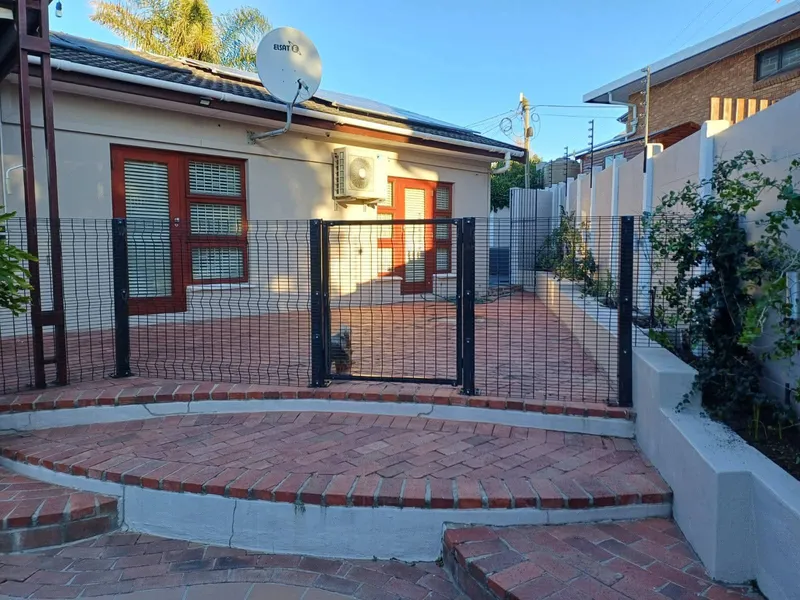
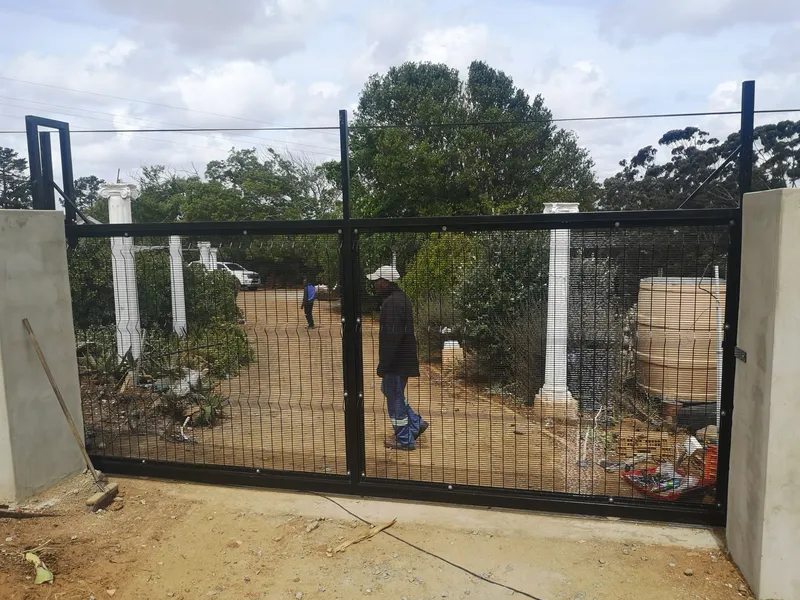
Gates are inherently weaker than continuous fence runs. Invest in quality gate installations with anti-lift devices, heavy-duty locks, and matching security specifications. Automated gates with intercom access add a further layer of control.
4. Add Electric Fencing
As discussed above, the clearview-plus-electric combination is the gold standard for perimeter security. If budget is a constraint, plan your clearview installation with electric fencing brackets included so you can add the electric wires later without additional structural work.
5. Maintain Clear Sightlines
One of clearview's greatest strengths is visibility. Do not undermine this by allowing dense vegetation to grow against the fence. Keep a 1-2 metre clear zone on both sides where possible. This ensures CCTV coverage, allows security patrols to inspect the perimeter, and eliminates hiding spots.
6. Regular Inspections
Walk your fence line monthly. Check for signs of tampering, corrosion, loose fixings, or damage from trees or vehicles. Early detection of issues prevents small problems from becoming security vulnerabilities. Our fence repair service can address any issues quickly.
Upgrade Your Perimeter Security
From clearview mesh to electric fencing and gate automation, we provide complete security solutions.
Get Your Free Fencing Quote
Our team provides obligation-free quotes for all fencing projects across Cape Town.
Common Myths About Clearview Fencing Security
Myth: "Clearview is just fancy wire mesh"
Fact: 358 clearview mesh is engineered specifically for security. The wire diameter, spacing, and welding process are fundamentally different from standard welded mesh or farm fencing. Comparing clearview to standard mesh is like comparing a security door to a screen door.
Myth: "Solid walls are more secure"
Fact: Solid walls are easier to scale (with a ladder), cannot be monitored by CCTV, and hide intruders once they are over. Clearview fencing addresses all three of these weaknesses. For a full comparison, read our clearview vs traditional security analysis.
Myth: "Anyone with bolt cutters can get through"
Fact: As detailed above, cutting through 358 mesh with bolt cutters requires cutting 30-40 individual wires, taking 15-25 minutes of sustained, noisy effort in full view of anyone watching. This is not a quick or discreet operation.
Myth: "Clearview is only for commercial properties"
Fact: Clearview fencing is the most popular choice for residential properties across Cape Town, from estates in Constantia to homes in Somerset West. Its clean appearance and unobstructed views make it ideal for homes.
The Bottom Line
Can clearview fencing be cut? Technically, yes, with the right tools, enough time, and a willingness to make a great deal of noise. But in practical terms, 358 clearview mesh presents an extremely formidable barrier that the vast majority of criminals cannot breach quickly or quietly.
When combined with electric fencing, CCTV, and quality anti-tamper fixings, a clearview fencing installation provides security that rivals or exceeds any other perimeter option on the market. It is the same specification trusted by prisons, military bases, and government facilities around the world.
Ready to secure your property? Request a free, no-obligation quote from our team. We will assess your property, recommend the right specification, and provide a transparent price for your complete fencing solution. You can also explore our comprehensive clearview fencing guide or use our cost calculator to start planning your project.