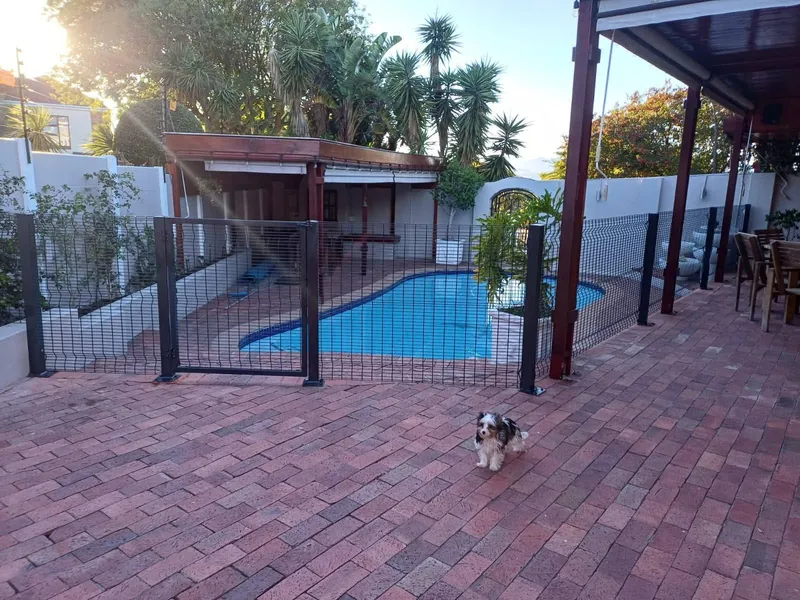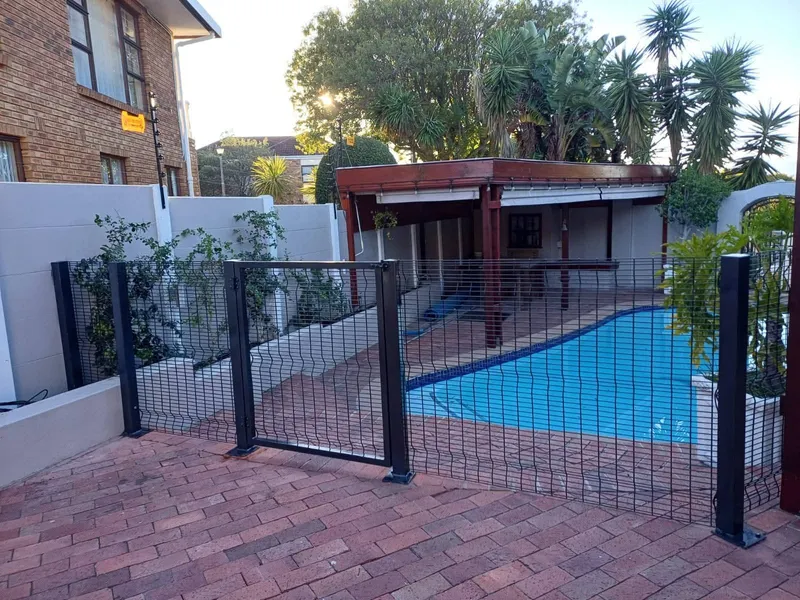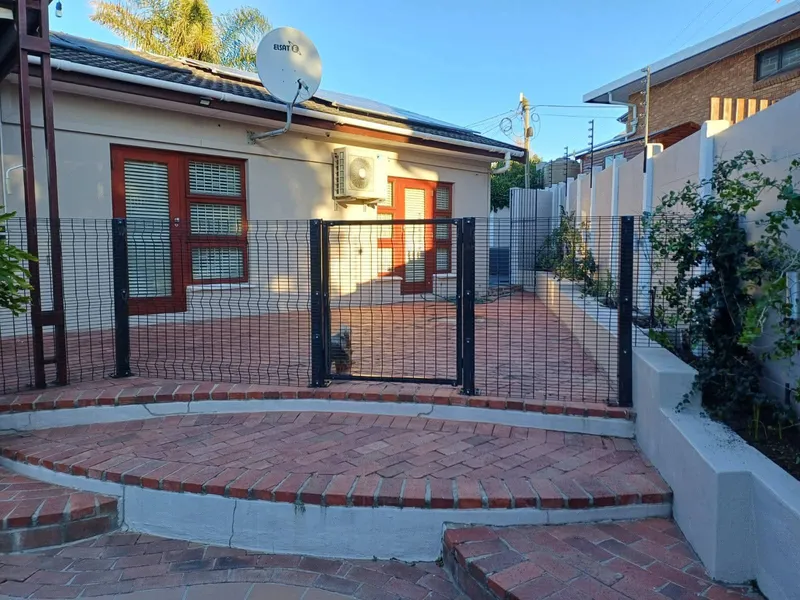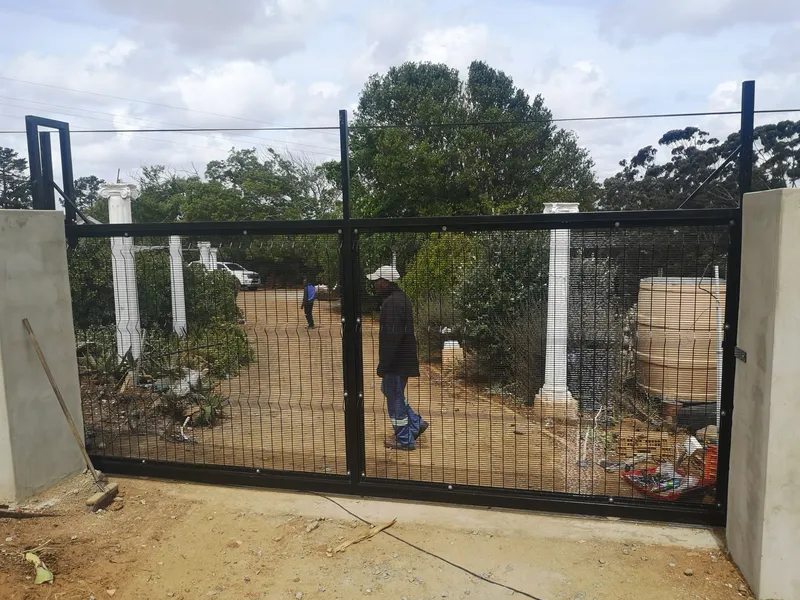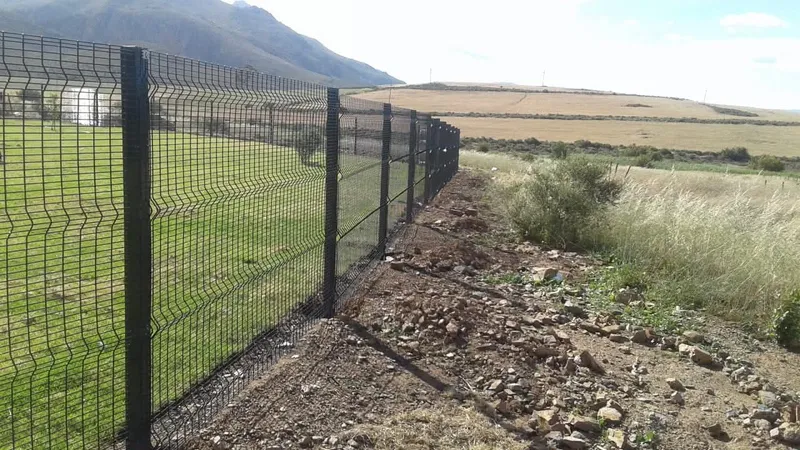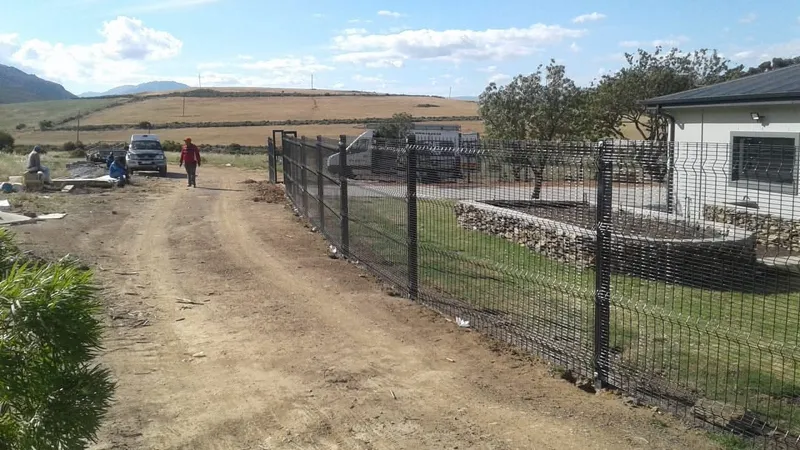
South Africa has one of the highest crime rates in the world, and Cape Town is no exception. For decades, the default response has been to build higher walls, add more razor wire, and retreat behind solid barriers. But there is a growing body of evidence, and a growing number of property owners, embracing a different approach: securing properties with transparent fencing that deters criminals while keeping views open, light flowing, and communities connected.
This article explains how modern fencing solutions, grounded in proven crime prevention principles, can make your Cape Town property safer without turning it into a fortress.
The Problem with Solid Walls
Before exploring the alternative, it is worth understanding why the traditional approach of high solid walls and precast concrete barriers is increasingly being questioned by security professionals.
Walls Create Hiding Places
A 2-metre precast wall does keep people from seeing into your property. But it also keeps people from seeing out. Once an intruder scales a solid wall, using a simple ladder, a car roof, or a boost from an accomplice, they are completely hidden from neighbours, pedestrians, passing vehicles, and security patrols. They can work on breaking into your home without any fear of being observed from the street.
Walls Block CCTV Coverage
CCTV cameras positioned inside a walled compound can only cover the interior. They cannot monitor the perimeter from the outside, which means you have no visual warning of someone approaching or attempting to breach your boundary. Cameras positioned on the wall can cover the immediate perimeter, but they cannot see what is happening on the other side.
Walls Isolate Communities
Streets lined with solid walls feel hostile and abandoned, even in affluent suburbs. When neighbours cannot see each other's properties, the informal community surveillance that naturally deters crime breaks down. Each property becomes an island, and criminals exploit that isolation.
CPTED: The Science Behind Transparent Security
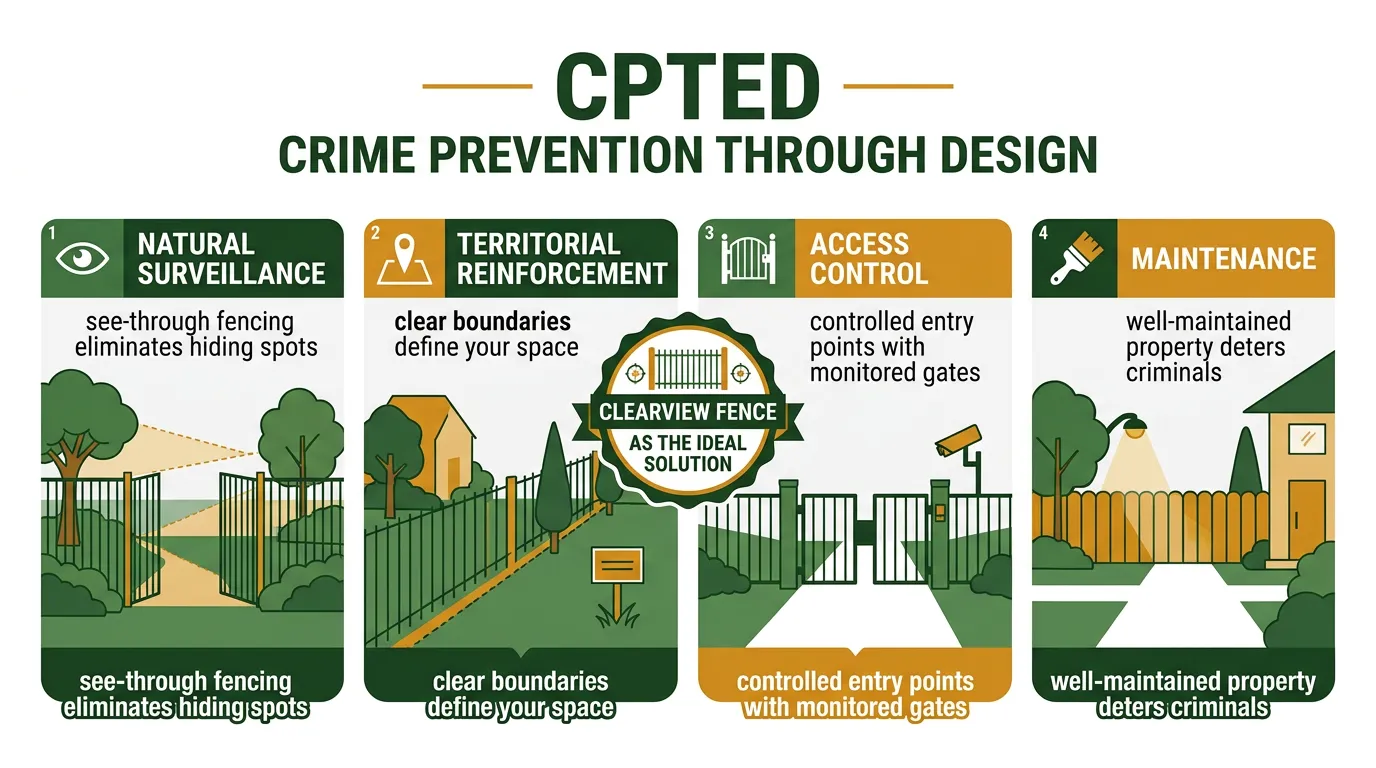
Crime Prevention Through Environmental Design (CPTED) is a framework developed by criminologists and urban planners that uses physical design to reduce crime. Adopted by police services, city planners, and architects worldwide, including in South Africa, CPTED is built on four core principles. Each one supports the use of transparent fencing over solid barriers.
1. Natural Surveillance
The single most powerful CPTED principle is natural surveillance: the idea that criminals avoid committing crimes when they feel they are being watched. Transparent fencing like clearview mesh allows unobstructed views in both directions across the property boundary. Neighbours can see suspicious activity. Security patrols can observe the full perimeter. Residents can see who is approaching before they reach the gate.
Solid walls eliminate natural surveillance entirely. They create a visual barrier that benefits the criminal more than the property owner.
2. Territorial Reinforcement
Clear boundary markers signal ownership and control. Both solid walls and transparent fencing achieve this, but transparent fencing does so without creating the isolation and visual oppression that solid walls produce. A well-maintained clearview fence says "this property is cared for and monitored" without saying "we are afraid and hiding."
3. Natural Access Control
CPTED recommends limiting and monitoring entry points while maintaining visibility. Clearview fencing combined with controlled gate access achieves this perfectly. Visitors can be seen approaching from a distance. Deliveries can be monitored. Unauthorised entry attempts are visible from inside the property and from the street.
4. Maintenance and Management
A well-maintained property signals that someone is paying attention, which deters opportunistic crime. Clearview fencing requires minimal maintenance (a quarterly hose-down) and retains its appearance for decades. Read our fencing maintenance guide for care details. Precast walls, by contrast, can crack, stain, and develop an appearance of neglect that actually attracts criminal attention.
Get Your Free Fencing Quote
Our team provides obligation-free quotes for all fencing projects across Cape Town.
How Clearview Fencing Prevents Crime
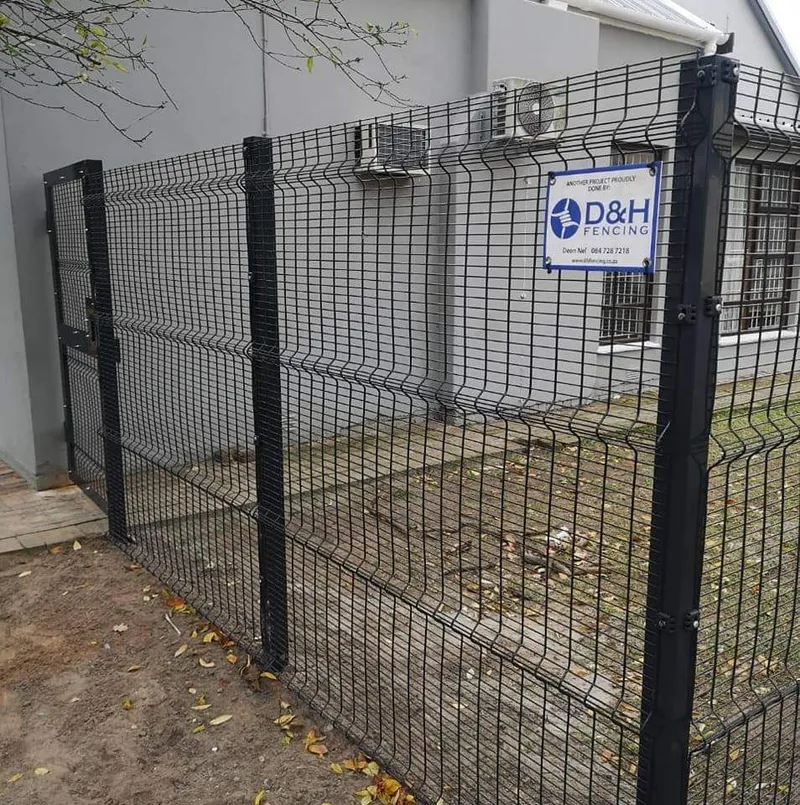
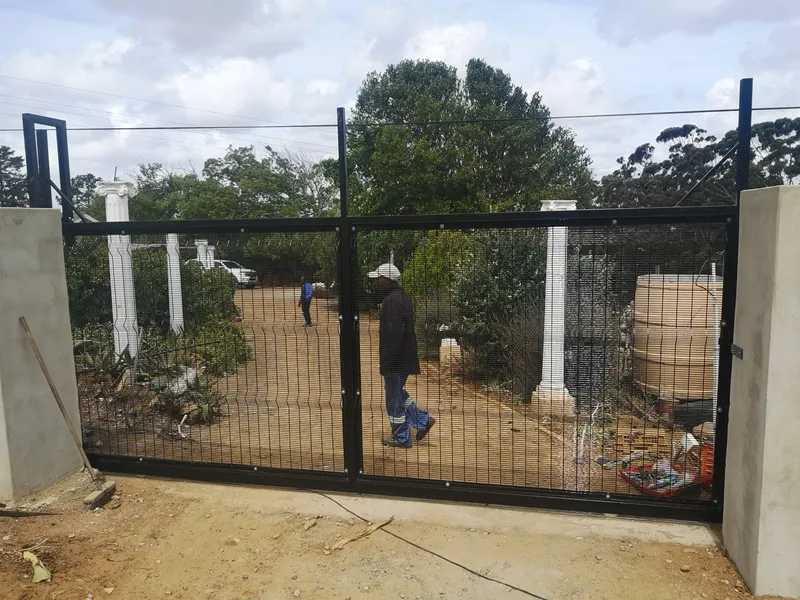
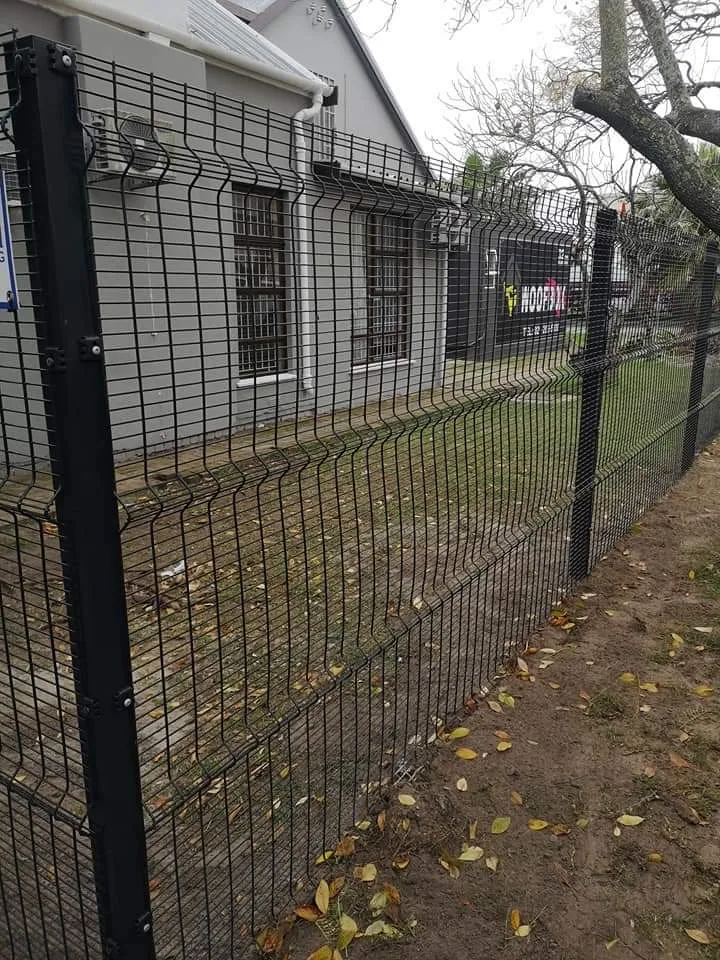
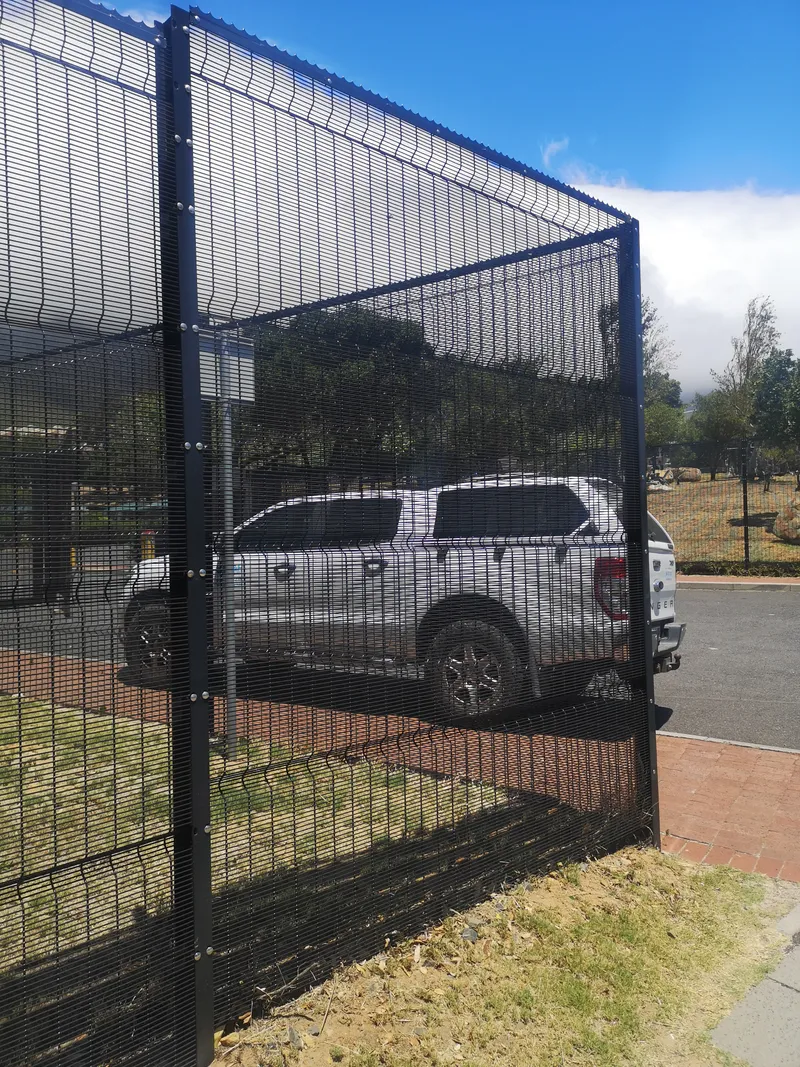
Clearview fencing (also known as 358 mesh) is not just a see-through alternative to walls. It is a high-security barrier with specific properties that directly address criminal methods:
- Anti-climb: The 76.2mm x 12.7mm mesh apertures are too small for fingers or toes to grip, making the fence virtually impossible to climb. Unlike palisade fencing, which can be climbed by gripping the pales, clearview offers no handholds at all.
- Anti-cut: The 4mm welded wire resists cutting with standard hand tools. Creating an opening large enough to pass through requires sustained effort with heavy-duty tools, generating noise and taking 15-25 minutes. For full details, see our article on whether clearview fencing can be cut.
- No concealment: The transparent mesh means criminals cannot hide behind the fence while working on a breach. They are fully visible from both sides throughout any attempted intrusion.
- CCTV compatible: Cameras can capture clear footage through clearview mesh, covering the full perimeter from both internal and external positions.
The combination of physical resistance and visual transparency makes clearview fencing one of the most effective single security fencing solutions available.
Building a Layered Security System
Security professionals unanimously agree that no single barrier should be your only line of defence. The most effective approach layers multiple systems, each adding a different type of protection. Here is the recommended layered security model for Cape Town residential properties:
Layer 1: Clearview Fencing (Physical Barrier)
The 358 mesh fence serves as your primary physical barrier. It prevents climbing, resists cutting, and defines your property boundary. For maximum security, choose 2.1m or 2.4m height. Standard 1.8m is adequate for most residential properties. Read our complete clearview fencing guide for height recommendations.
Layer 2: Electric Fencing (Active Deterrent)
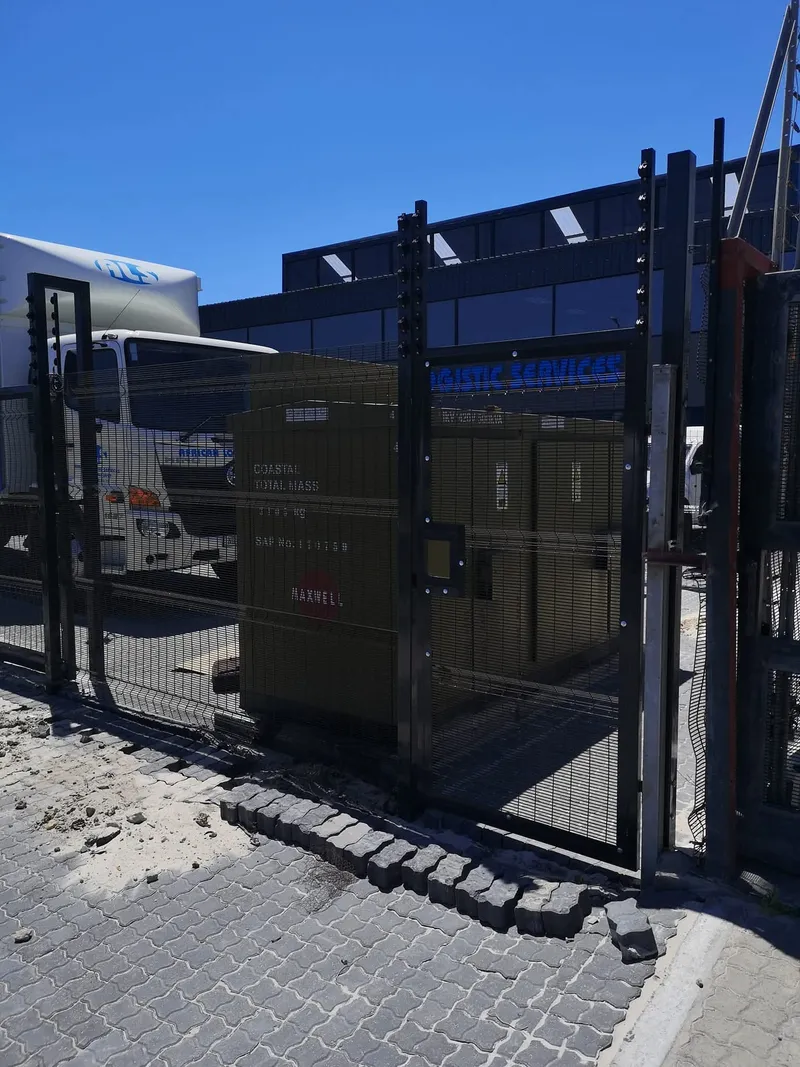
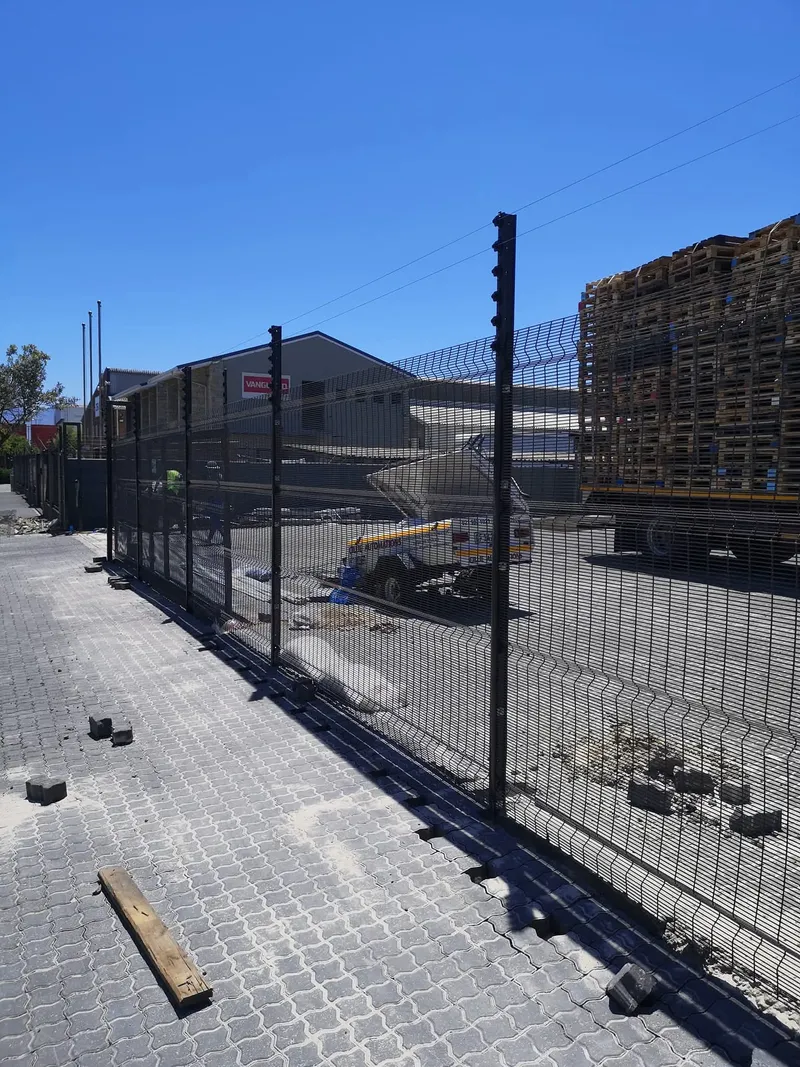
Electric fencing installed on top of clearview mesh creates a powerful deterrent. The visible wires signal danger, the energiser delivers a non-lethal shock on contact, and any tampering with the wires triggers an immediate alarm. All electric fences must comply with SANS 10222-3 regulations and be installed by registered installers. Because clearview fencing is transparent, the electric wires are clearly visible from a distance, maximising the deterrent effect.
Layer 3: CCTV (Surveillance)
Cameras positioned to cover the fence line, access points, and property perimeter provide 24/7 visual monitoring. Clearview fencing enhances CCTV effectiveness because cameras can see through the mesh, unlike solid walls that create blind spots. Modern IP camera systems with night vision and motion detection can alert you to activity at the perimeter in real time.
Layer 4: Motion-Activated Lighting
Strategically placed lights that activate when movement is detected along the fence line serve a dual purpose. They illuminate potential intruders, making them visible to neighbours and cameras, and they signal to the intruder that they have been detected. Combined with transparent fencing, motion lighting eliminates the darkness that criminals rely on.
Layer 5: Armed Response
All the physical barriers and detection systems are most effective when backed by a rapid response capability. Ensure your alarm system is linked to an armed response service, and participate in community security structures like neighbourhood watches.
Design Your Layered Security System
We can help you plan the right combination of fencing, electric fencing, and access control for your property.
Real-World Applications in Cape Town
The transparent security approach is already being adopted across Cape Town's diverse property landscape:
Residential Estates
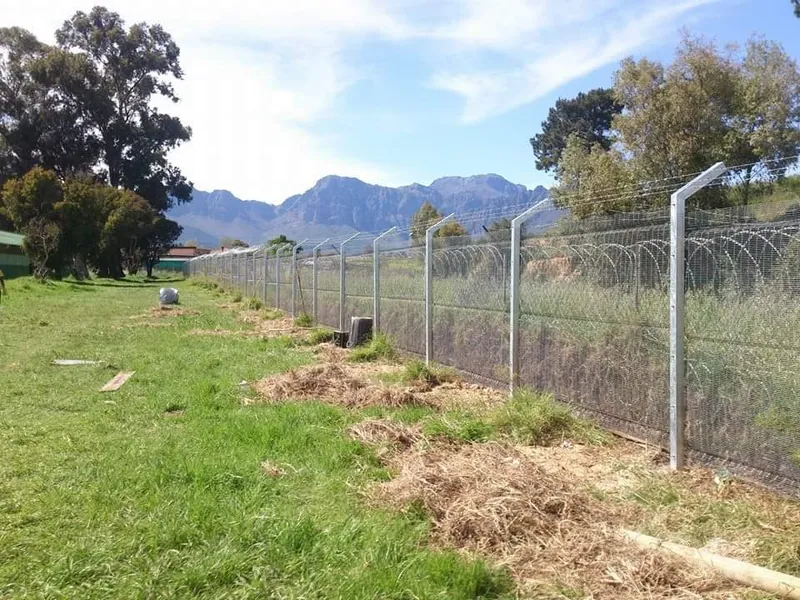
Security estates in Constantia, the Upper Southern Suburbs, and the Winelands increasingly specify clearview fencing for perimeter security. The transparent mesh allows scenic views of the surrounding mountains and vineyards while providing prison-grade anti-intrusion protection. Combined with electric fencing and CCTV, these perimeters are among the most secure in the country.
Wine Estates and Agricultural Properties
Wine farms in Stellenbosch and Paarl face a particular challenge: they need to secure large perimeters without detracting from the aesthetic appeal that draws visitors and contributes to property value. Clearview fencing solves this by providing security that virtually disappears into the landscape. Green powder-coated clearview mesh blends with vineyard trellising and natural vegetation. Our guide on the best coating options for Cape Town explains colour choices in detail.
Commercial and Retail Properties
Shopping centres, office parks, and light industrial properties benefit from clearview fencing because it maintains visibility into and out of the premises. Customers can see that a business is open and active, while security teams can monitor the perimeter from inside. This visibility actually enhances commercial activity rather than hindering it.
Schools and Public Facilities
Schools across Cape Town have adopted clearview fencing because it allows parents and security staff to see children at play while preventing unauthorised access. The transparent mesh also means that children inside the grounds are visible to passing traffic and pedestrians, adding an informal surveillance layer.
Addressing the Privacy Concern
The most common objection to transparent fencing is privacy. If people can see through the fence, they can see into your property. This is a valid concern, and there are effective solutions that maintain the security benefits of transparent fencing while addressing privacy needs:
Strategic Landscaping
Planting screening vegetation behind clearview fencing is the most popular approach. Hedges such as Syzygium (bush cherry), Podocarpus (yellowwood), or Pittosporum provide dense screening that grows to fill the mesh pattern. The fence provides security, the plants provide privacy, and the combination looks natural and attractive.
This approach is particularly popular in Constantia and the Winelands, where established gardens already feature mature hedging. The clearview fence sits behind the hedge line, invisible from the street but providing a formidable physical barrier behind the green screen.
Privacy Screens on Specific Sections
You do not need privacy along your entire perimeter. Most properties only need screening along the street frontage or where a boundary faces a neighbour's windows. Clearview fencing can be combined with privacy screens (slatted panels, reed screening, or shade cloth) on specific sections while remaining fully transparent elsewhere.
Mixed Fencing Approach
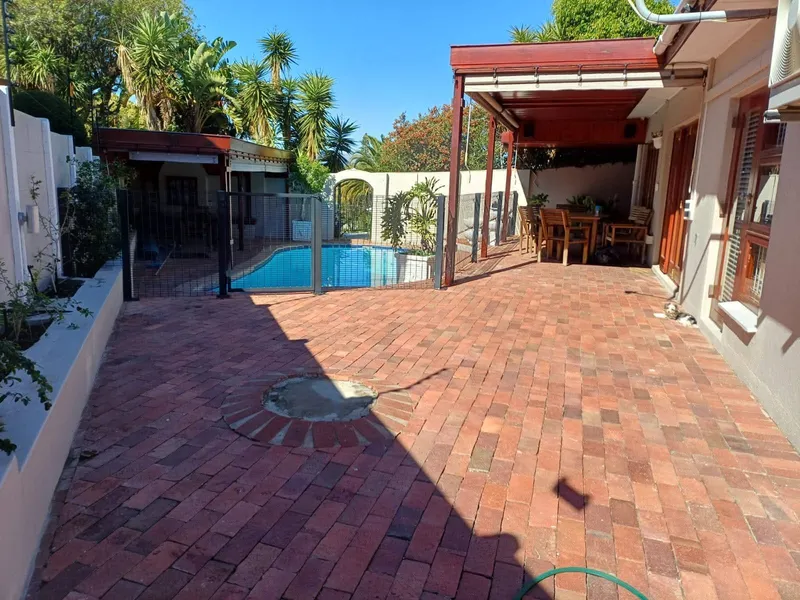
Some properties combine clearview fencing along the majority of the perimeter with wooden fencing or a short section of wall in areas where privacy is essential, such as around pools or entertainment areas. This gives you the security benefits of clearview where it matters most while addressing specific privacy needs.
The Cost of Security Without Views
It is worth comparing the financial implications of the transparent approach versus the traditional solid-wall approach:
| Approach | Relative Cost | Security Rating | View/Light | CPTED Compliance |
|---|---|---|---|---|
| Clearview + electric | Mid-range | Very High | Full | Full |
| Precast wall + electric | Higher | Medium-High | None | Poor |
| Brick wall + electric | Highest | Medium-High | None | Poor |
The transparent approach is not only more effective from a security perspective; it is significantly cheaper than solid-wall alternatives. The savings can be redirected towards additional security layers like CCTV, better lighting, or automated gates. Every project is priced individually — request a free on-site quote to compare options for your specific property.
Ready to Secure Your Property Without Blocking the View?
Get a free, no-obligation quote for clearview fencing at your Cape Town property.
Making the Change
If your property currently relies on solid walls for security, transitioning to transparent fencing is straightforward. Many Cape Town homeowners are replacing aging precast walls with clearview fencing, often discovering that their property feels more spacious, brighter, and more welcoming as a result.
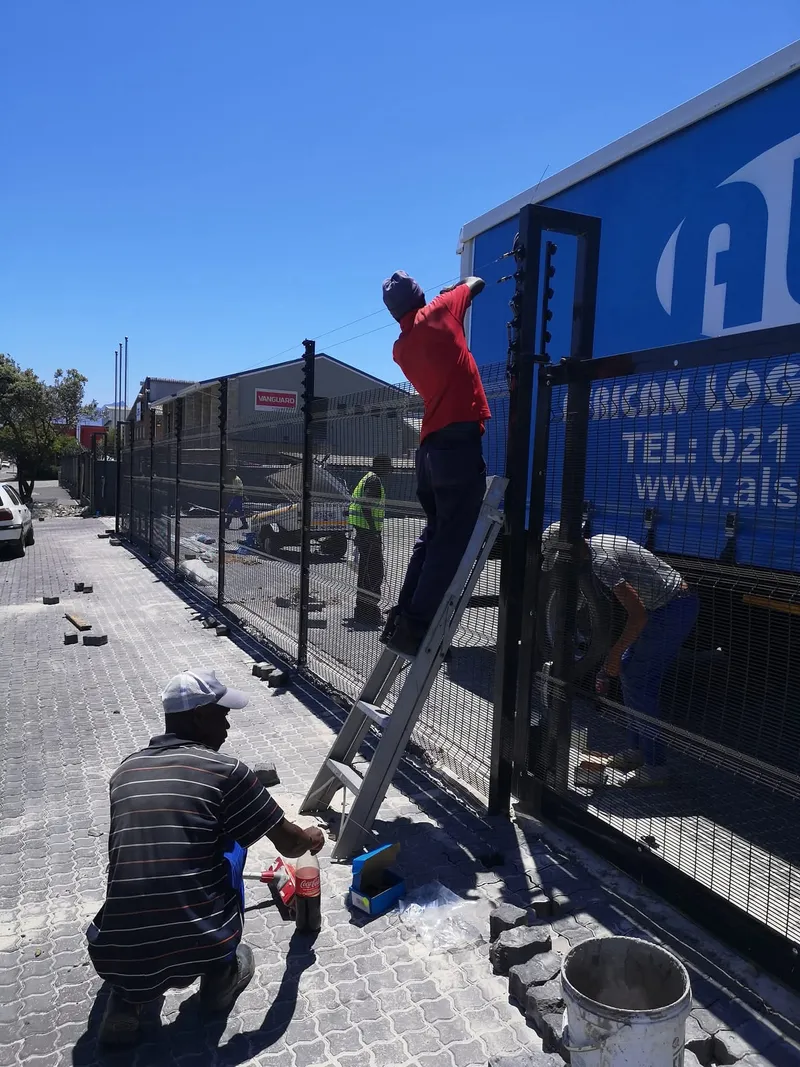
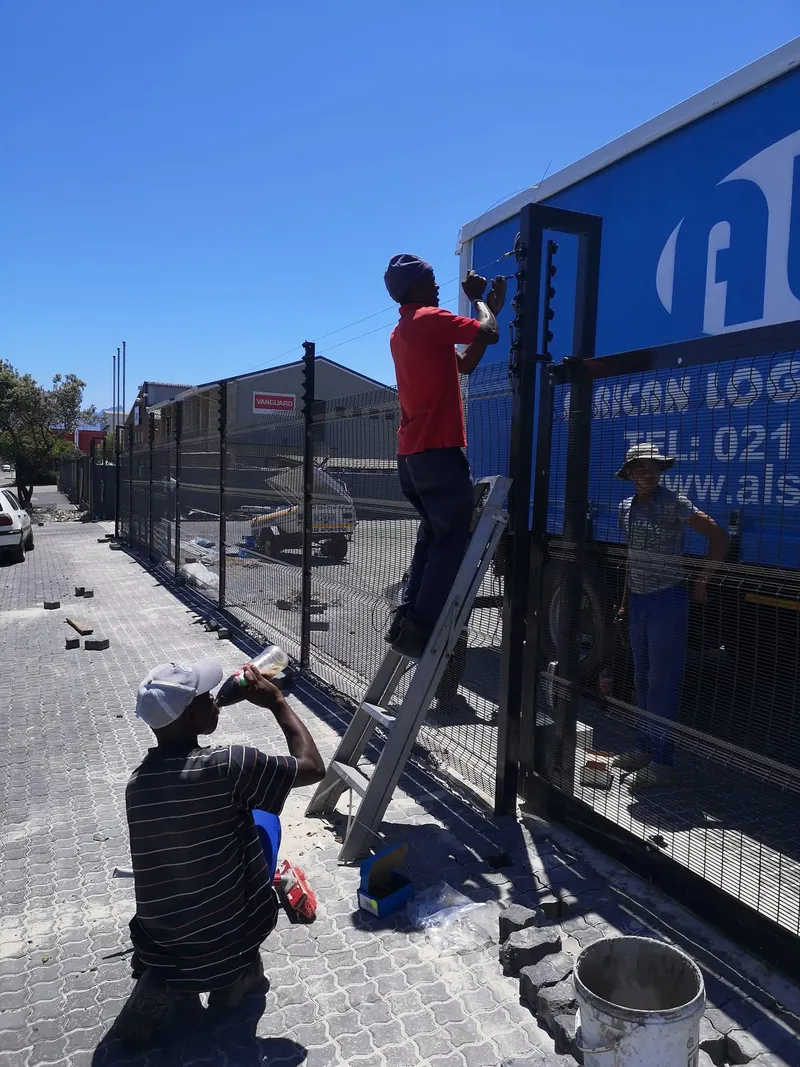
The process typically involves removing existing walls or fencing, installing clearview mesh panels on new posts set in concrete, and optionally adding electric fencing on top. A standard residential replacement project takes 3-5 days depending on the perimeter length and site conditions. Our fencing installation guide walks through the process step by step.
For more on the advantages that clearview fencing offers beyond security, read our detailed look at the ten key advantages of clearview fencing. You can also browse completed projects in our project gallery to see how transparent fencing looks on properties similar to yours across Cape Town.