The Complete South African Fence Buying Guide
Buying fencing for your property is a significant investment, and with so many options available, making the right choice can feel overwhelming. This comprehensive guide covers every fence type available in South Africa, from budget-friendly diamond mesh through to high-security clearview installations. Whether you are a first-time homeowner in the Northern Suburbs or developing a commercial property in the Winelands, this guide will help you make an informed decision.
We cover each fence type in detail, compare costs side by side, explain South African regulations you need to know, and share the questions you should ask every contractor before signing a quote.
Every Fence Type Available in South Africa
1. Clearview Fencing (358 Anti-Climb Mesh)
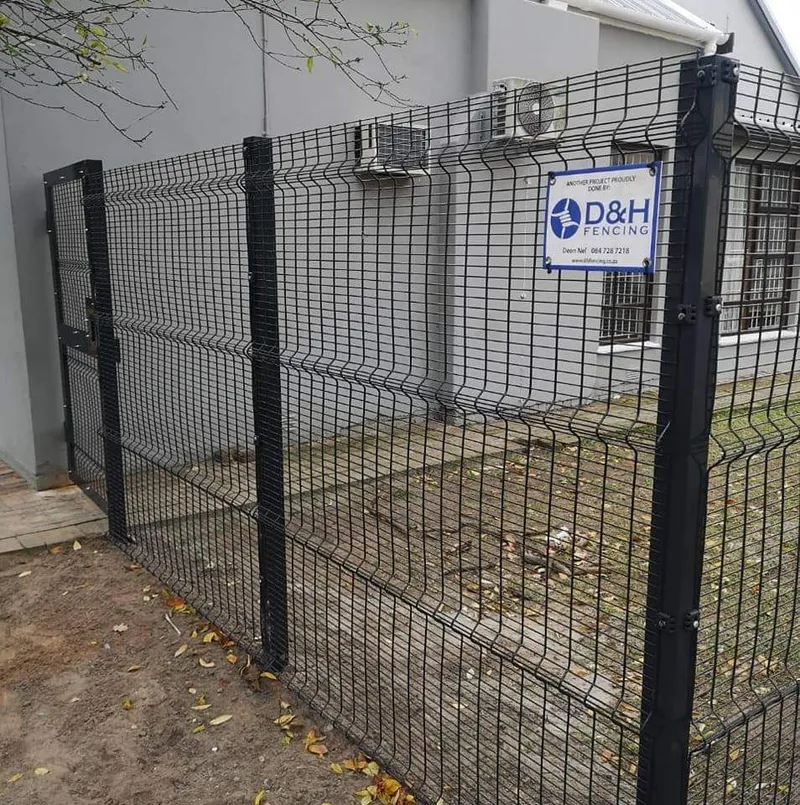
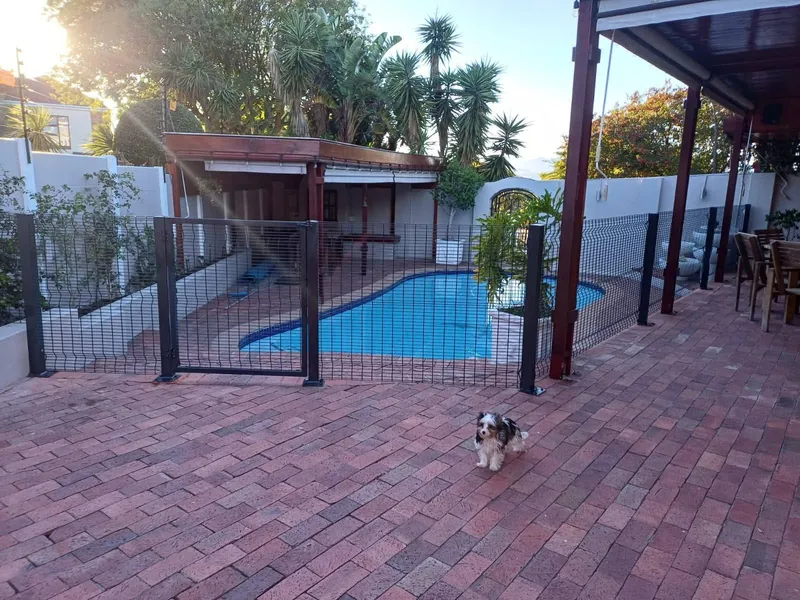
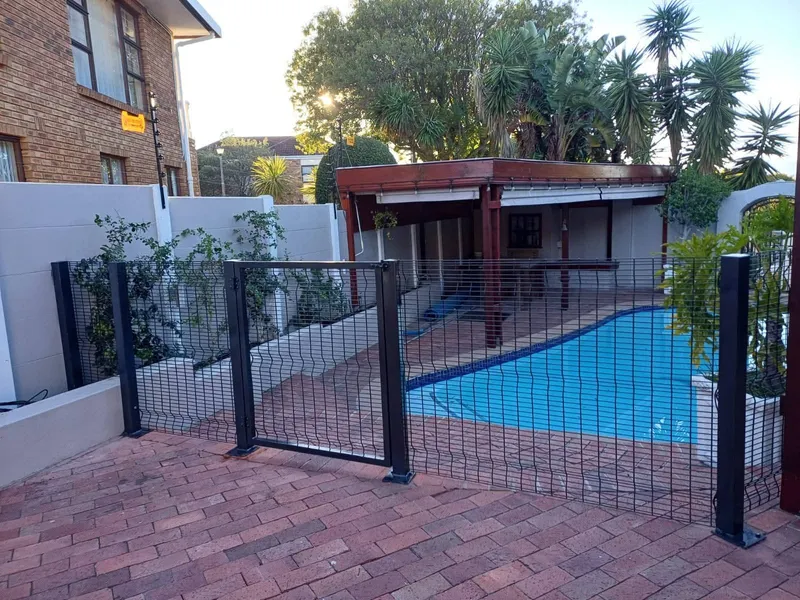
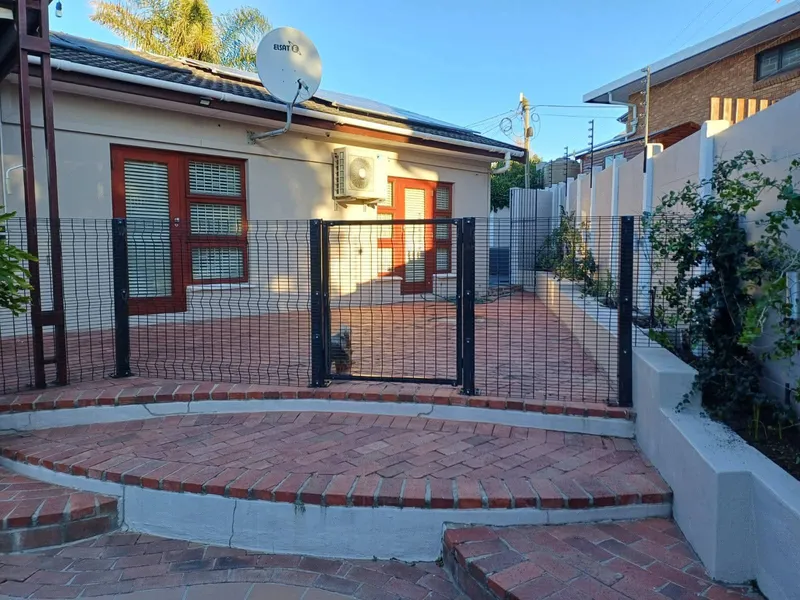
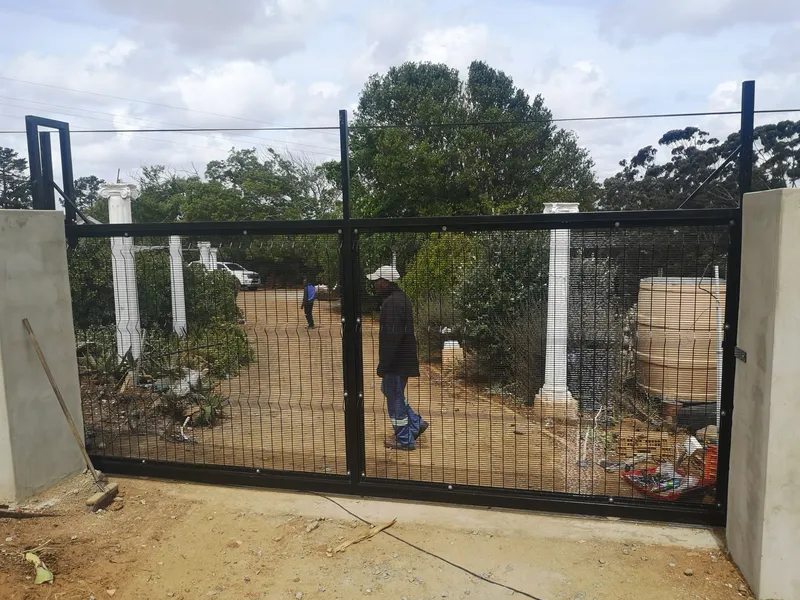
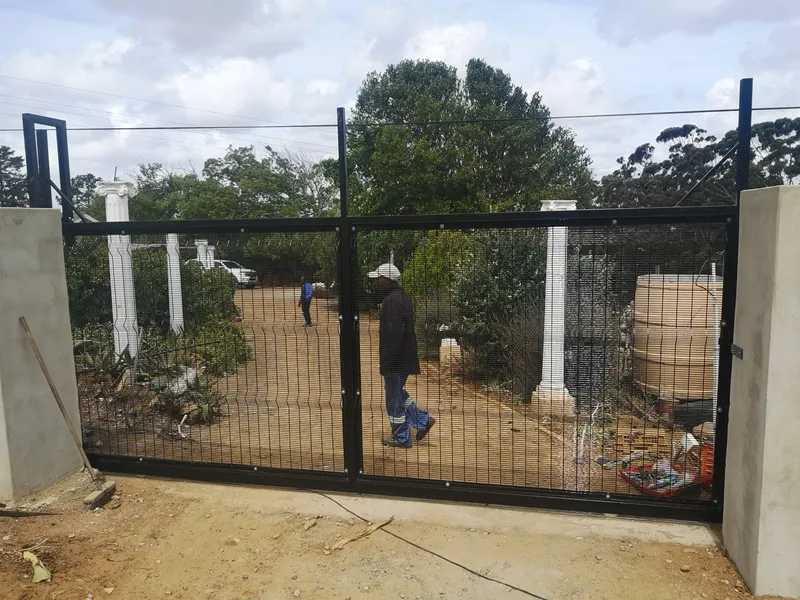
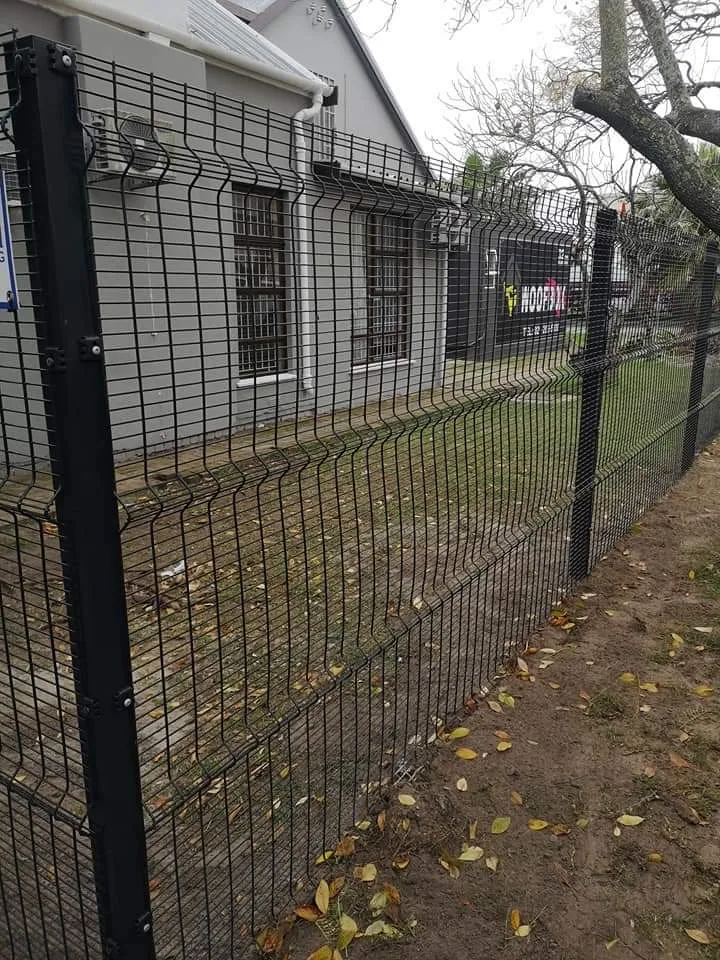
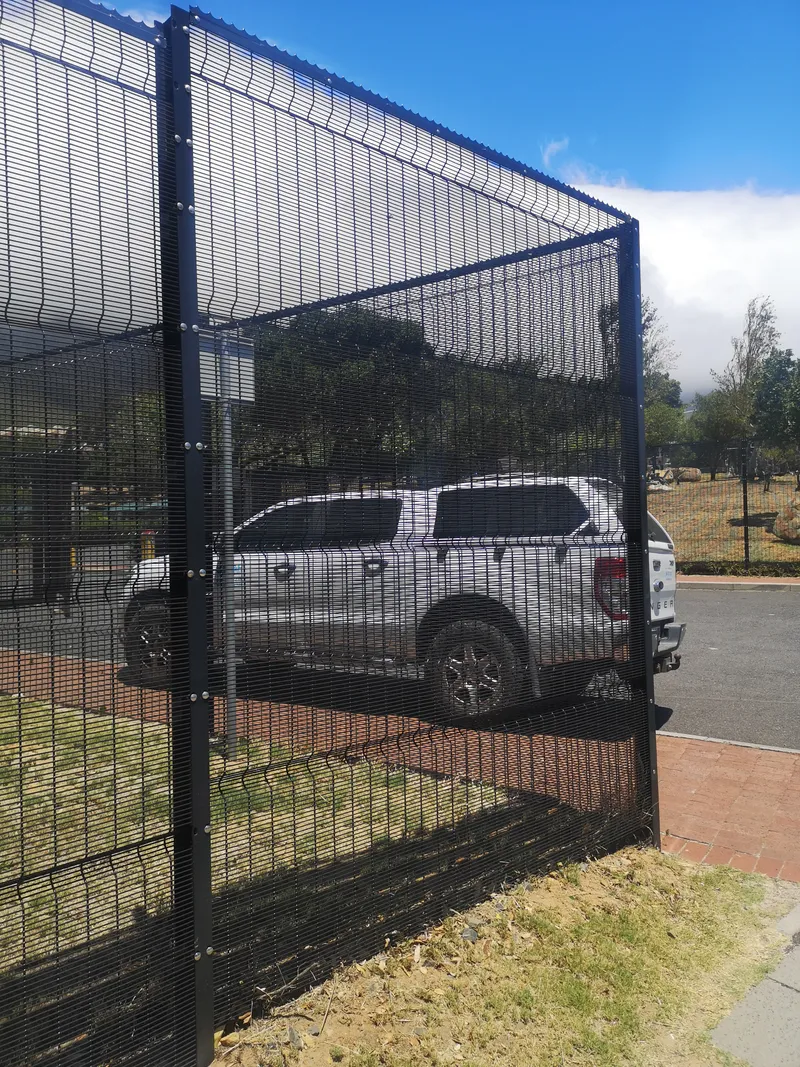
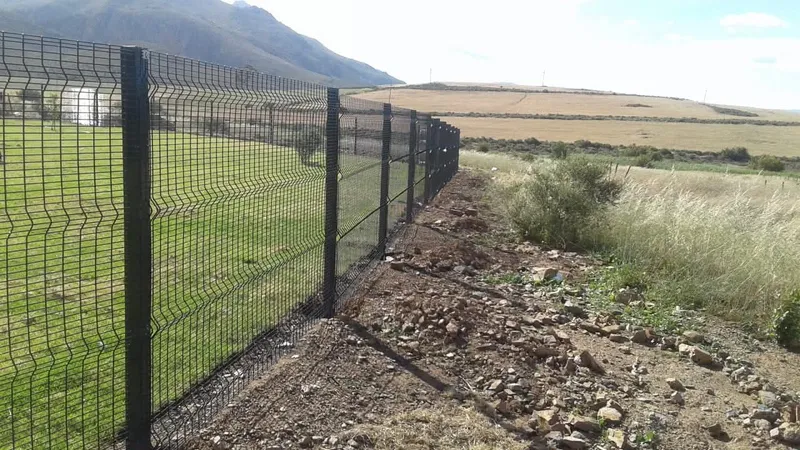
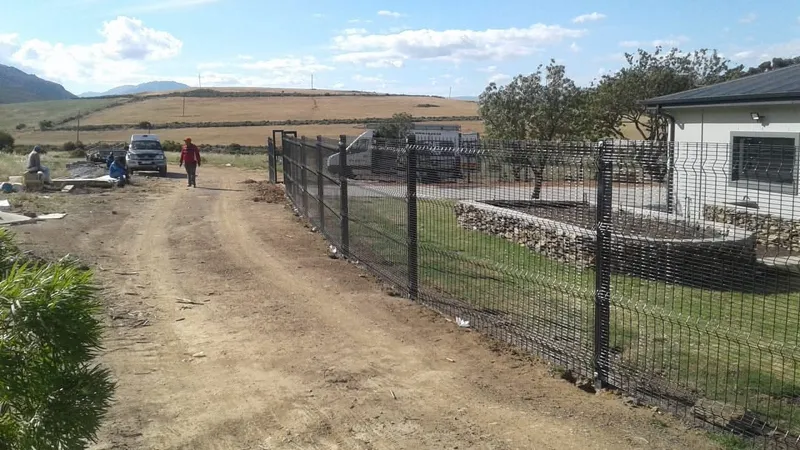
Clearview fencing has become the most popular security fencing choice in South Africa, and for good reason. The 358 mesh specification (76.2mm x 12.7mm aperture with 4mm wire) provides exceptional anti-climb and anti-cut resistance while maintaining full visibility through the fence.
Best for: Residential perimeters, commercial properties, schools, estates, anywhere that needs security without blocking views.
Cost: Priced individually per project. The main drivers are height (1.5m to 2.4m), coating (galvanised vs powder-coated), terrain and accessories. See our cost factors guide for what affects the final figure.
Pros: Excellent security, clean modern appearance, 25-30 year lifespan, low maintenance, CCTV-compatible, increases property value.
Cons: No privacy (can be addressed with landscaping), higher cost than basic mesh options.
Security rating: 9/10
2. Palisade Fencing
Palisade fencing consists of vertical steel pales with pointed tops, bolted to horizontal rails. It has been a South African security staple for decades and remains popular for its intimidating appearance.
Best for: Industrial sites, commercial properties, anywhere a visually imposing deterrent is desired.
Cost: Priced individually — typically a step above clearview on a like-for-like running-metre basis because the pales use more steel and take longer to install. Get a quote for your specific perimeter.
Pros: Strong visual deterrent, good security, 25-30 year lifespan, allows some visibility and airflow.
Cons: More expensive than clearview, can be climbed by agile intruders, pales can be bent apart with hydraulic tools, industrial appearance may reduce residential property appeal.
Security rating: 8/10
3. Electric Fencing
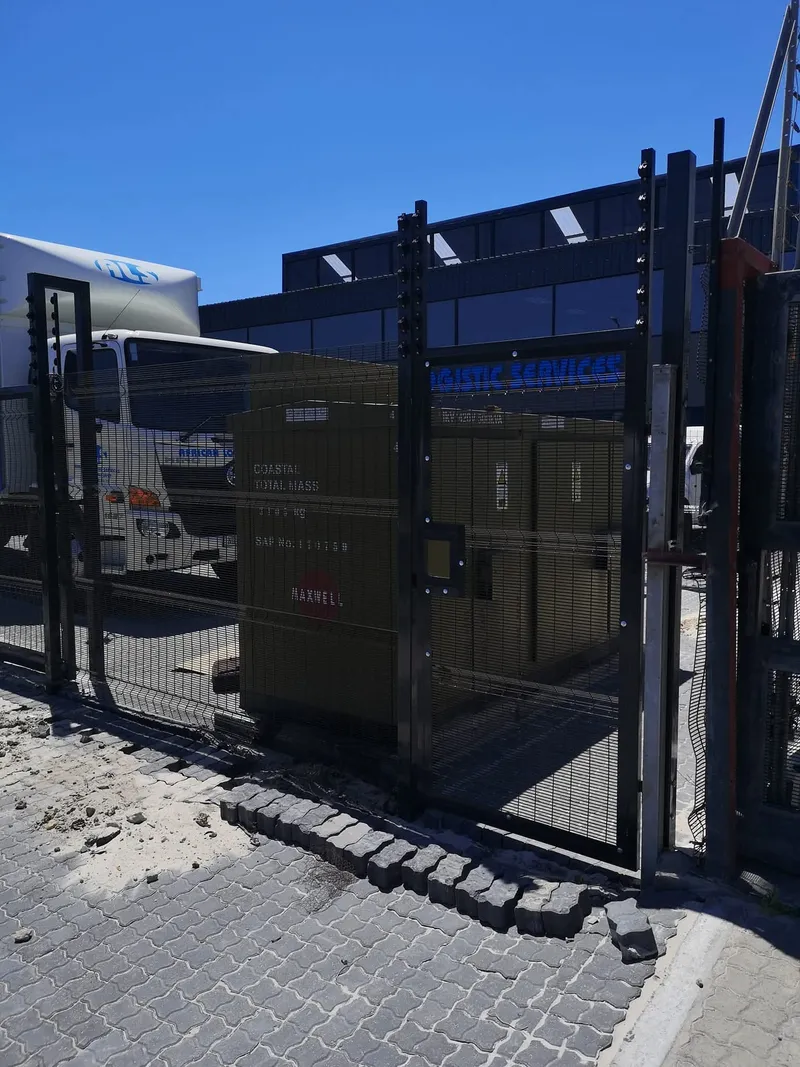
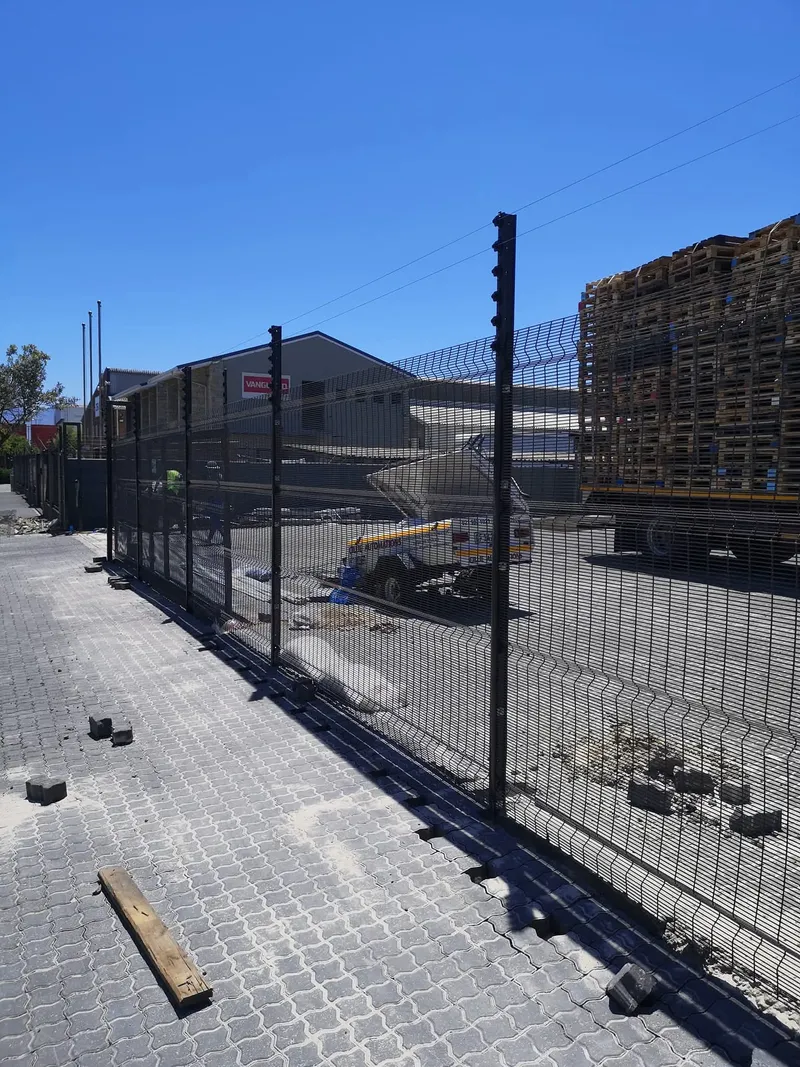
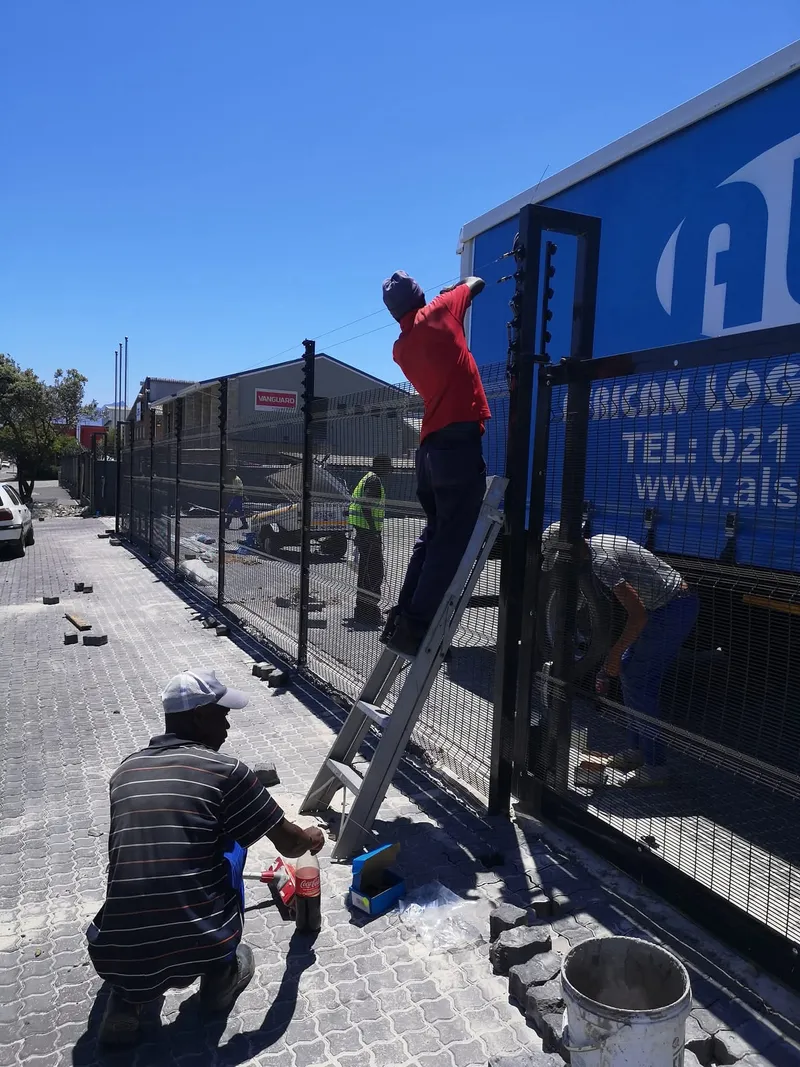
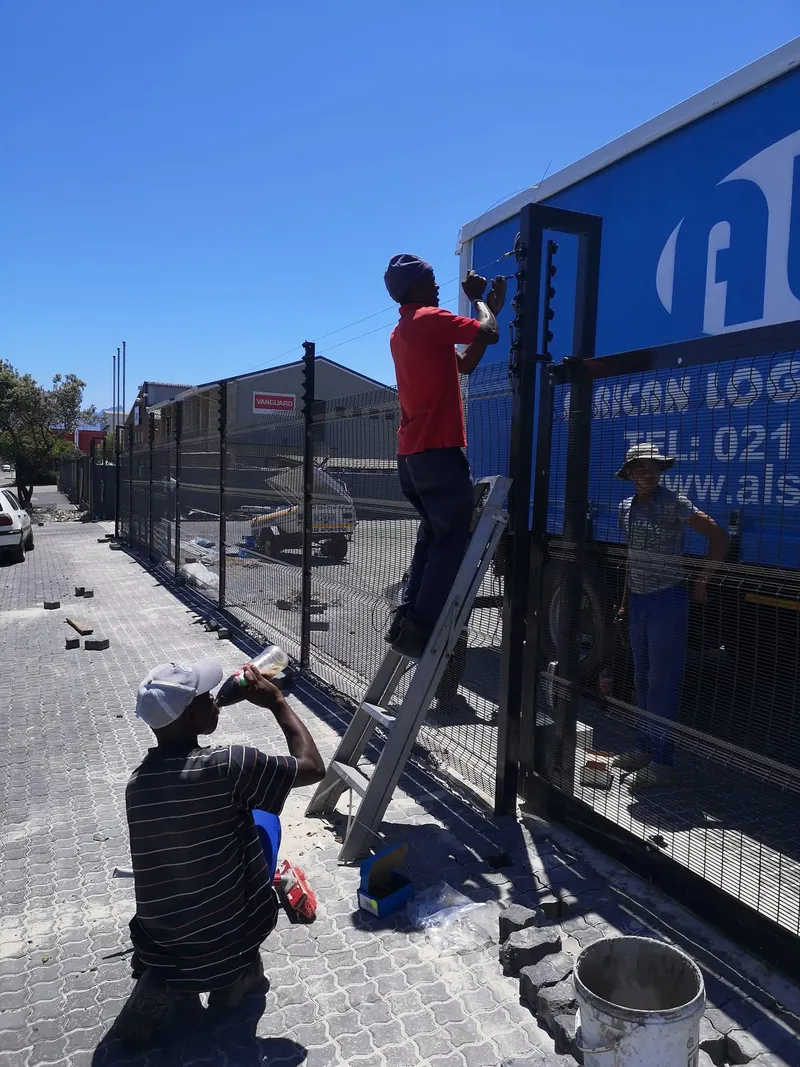
Electric fencing consists of electrified wires mounted on brackets, typically installed on top of another fence type such as clearview or palisade. It serves as both a deterrent (delivering a non-lethal shock) and an alarm system (triggering alerts when wires are cut or tampered with).
Best for: Any property where maximum security is required, as a complement to a physical fence. Essential for high-value residential properties and commercial sites.
Cost: Priced as an add-on to the primary fence — depends on number of strands, brackets, energiser specification, and whether new mounting brackets need to be fabricated. Usually a fraction of the primary fence cost.
Pros: Powerful deterrent, built-in alarm functionality, relatively affordable to add, can be retrofitted to existing fences.
Cons: Requires a compliance certificate, ongoing electricity cost, energiser needs periodic servicing, not a standalone solution (needs a physical fence beneath it), 10-15 year lifespan for wires and insulators.
Security rating: 8/10 (as a complementary system)
4. Wooden Fencing
Wooden fencing comes in many styles: picket, closeboard, horizontal slat, post-and-rail, and trellis. It prioritises aesthetics and privacy over security.
Best for: Garden boundaries, pool surrounds, internal divisions, decorative features, wine estate properties around Stellenbosch and Paarl.
Cost: Priced individually — depends heavily on timber species (SA Pine, hardwood, gum), profile (post-and-rail, slatted, closeboard) and treatment. Wood is generally lower upfront than steel fencing but has a shorter service life.
Pros: Beautiful natural appearance, excellent privacy, wide range of styles, environmentally friendly (renewable material).
Cons: Poor security, requires regular maintenance (staining, sealing, replacement of rotted boards), 8-15 year lifespan, susceptible to termites and wood borer, degrades faster in Cape Town's wet winters.
Security rating: 3/10
Get Expert Advice on the Right Fence for Your Property
Our team can recommend the best fencing solution based on your specific needs and budget.
5. Razor Wire and Concertina Wire
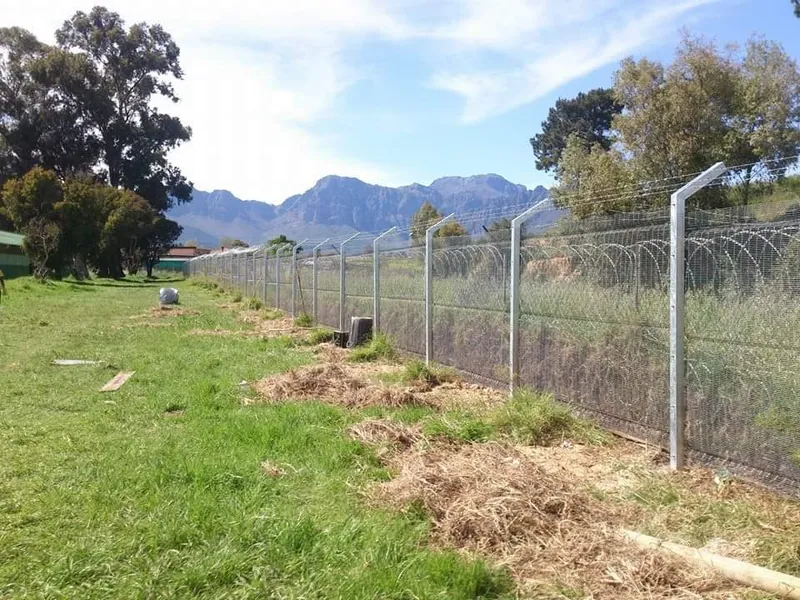
Razor wire consists of sharp-edged blades formed into coils, installed on top of walls or fences as an additional deterrent. Concertina wire is the coiled form commonly seen on perimeter walls.
Best for: Top-of-wall security enhancement, industrial and commercial perimeters, high-crime areas.
Cost: Priced as an add-on to the underlying fence or wall — depends on coil diameter, number of rows, and bracket fabrication. One of the lowest-cost ways to add a physical deterrent layer.
Pros: Strong physical and visual deterrent, affordable, difficult to bypass without injury, long-lasting.
Cons: Unattractive, potential liability if passersby are injured, some residential areas and body corporates prohibit it, can injure animals and birds, certain municipalities have restrictions.
Security rating: 7/10 (as an add-on)
6. Welded Mesh Fencing
Welded mesh fencing uses thinner wire than clearview (typically 3mm-3.5mm) with wider spacing. It provides a middle ground between basic chain-link and high-security clearview.
Best for: Garden boundaries, sports facilities, playgrounds, commercial areas where moderate security is sufficient.
Cost: Priced individually — typically lower than 358 clearview because the wire gauge is thinner and the panel spacing is wider, but with a corresponding drop in security and lifespan.
Pros: Good visibility, more affordable than clearview or palisade, clean appearance, reasonable durability (15-20 years).
Cons: Easier to cut than 358 mesh, climbable (wider aperture allows finger grip), less secure than clearview or palisade.
Security rating: 5/10
7. Precast Concrete Walls
Precast walls consist of concrete panels slotted into concrete columns. They provide a solid, opaque barrier.
Best for: Privacy screening alongside busy roads, noise reduction, properties where full privacy is the priority.
Cost: Priced individually and generally one of the more expensive boundary options — driven by panel height, the number of pillars, foundation depth, and whether the wall is plastered and painted on completion.
Pros: Full privacy, noise reduction, long lifespan (30+ years), low maintenance, can be plastered and painted.
Cons: Expensive, creates blind spots (reduces security), can be scaled with a ladder, oppressive appearance, blocks light and views, heavy and difficult to install on slopes.
Security rating: 6/10
8. Diamond Mesh (Chain-Link) Fencing
Diamond mesh is the most basic and affordable fencing option in South Africa. It consists of interwoven galvanised wire forming a diamond pattern.
Best for: Budget fencing, farm boundaries, temporary fencing, areas where basic demarcation is all that is needed.
Cost: Priced individually — one of the lowest-cost boundary options on a running-metre basis, reflecting the thin wire gauge and limited security it offers.
Pros: Very affordable, widely available, easy to install, allows visibility and airflow.
Cons: Easy to cut, easy to climb, easy to lift from the bottom, sags over time, minimal security, looks cheap, 10-15 year lifespan.
Security rating: 2/10
9. Boundary Walls (Brick or Plastered Block)
Boundary walls are permanent masonry structures built from brick or concrete block, often plastered and painted.
Best for: Street-facing boundaries, privacy, architectural integration with the house design, noise reduction.
Cost: The most expensive boundary option in this guide. Priced individually based on wall height, brick or block choice, foundation depth, pillar spacing, plaster, paint, and council-approval drawings where required.
Pros: Permanent, aesthetically versatile, excellent privacy and noise reduction, adds property value when well designed.
Cons: Very expensive, creates security blind spots, can be scaled with a ladder, requires professional construction, may need council approval above 1.8m.
Security rating: 6/10
10. Farm Fencing (Bonnox / Game Fencing)
Farm fencing includes various wire products designed for agricultural use: Bonnox (rectangular mesh), game fencing (taller mesh for wildlife), and barbed wire.
Best for: Agricultural properties, smallholdings, game farms, livestock containment.
Cost: The lowest-cost option in this guide on a running-metre basis — designed for covering large rural perimeters where security against human intrusion is not the priority.
Pros: Very affordable, covers large areas cost-effectively, available in various heights, suitable for animal management.
Cons: Minimal security against human intrusion, requires regular tensioning, shorter lifespan (10-15 years), not suitable for residential or commercial security.
Security rating: 1/10 (for human intrusion prevention)
Complete Cost Comparison Table
Every fencing project is priced individually based on site conditions, so rather than list rates that may not apply to your property, here is how the fence types rank against each other on relative cost, plus the factors that matter most:
| Fence Type | Relative Cost | Security | Privacy | Lifespan | Maintenance |
|---|---|---|---|---|---|
| Farm fencing | Lowest | 1/10 | None | 10-15 yrs | Medium |
| Diamond mesh | Very low | 2/10 | None | 10-15 yrs | Low |
| Wooden fencing | Low | 3/10 | High | 8-15 yrs | High |
| Welded mesh | Low-mid | 5/10 | None | 15-20 yrs | Low |
| Clearview (358) | Mid | 9/10 | None | 25-30 yrs | Very Low |
| Palisade | Mid-high | 8/10 | Low | 25-30 yrs | Low |
| Precast wall | High | 6/10 | Full | 30+ yrs | Very Low |
| Boundary wall | Highest | 6/10 | Full | 40+ yrs | Low |
Electric fencing and razor wire are priced as add-ons, installed on top of a primary fence or wall — both are a fraction of the underlying fence cost.
For a closer look at what drives the final figure on a clearview project, read our cost factors guide, or request a free on-site quote for an accurate price for your property.
South African Fencing Regulations You Need to Know
Before you install any fence, make sure you understand the legal requirements under SANS 10400. Getting this wrong can result in fines, forced removal, or disputes with neighbours.
Height Restrictions
- Under 1.8m: Generally no council approval required in most municipalities
- Over 1.8m: May require building plan approval from your local municipality
- Over 2.1m: Almost always requires council approval
- Street-facing fences: Some municipalities have specific height restrictions for fences along public roads. In Cape Town, these can vary between areas like Constantia and the Northern Suburbs
Electric Fencing Regulations
Electric fencing in South Africa is governed by SANS 10222-3 and requires:
- A valid Electric Fence System Certificate of Compliance (EFC) issued by a registered installer
- Warning signs at regular intervals along the fence
- The energiser must comply with IEC 60335-2-76
- Output limits on pulse energy, voltage and firing rate — ask your installer to confirm the rating of the energiser being fitted
- Installation by a registered electric fence installer
- An EFC is required when selling a property
Boundary Line Rules
- A fence on a boundary line is shared property and costs should theoretically be split with your neighbour
- In practice, the party wanting the fence usually pays
- You may build a fence entirely within your property boundary without neighbour consent
- You may not attach anything to your neighbour's existing fence or wall without permission
Body Corporate and HOA Rules
If you live in a sectional title complex, estate, or any area governed by a homeowners' association, check the rules before installing any fencing. Many HOAs have specific requirements regarding:
- Fence type (some prohibit palisade or razor wire)
- Maximum height
- Colour (often specified to maintain a uniform appearance)
- Materials (some require specific products or suppliers)
Need Help Navigating Fencing Regulations?
Our team understands local regulations across Cape Town and can advise on compliance.

How to Choose the Right Fence for Your Property
With so many options available, here is a practical framework for making your decision:
Step 1: Define Your Primary Goal
What is the main reason you need fencing?
- Security: Choose clearview, palisade, or clearview + electric
- Privacy: Choose wooden fencing, boundary walls, or precast
- Aesthetics: Choose clearview (modern), wooden (natural), or boundary wall (architectural)
- Budget: Choose diamond mesh or welded mesh for basic boundary marking
- Combined security and privacy: Choose clearview with strategic landscaping behind it
Step 2: Set Your Budget
Every project is priced individually based on your specific perimeter, but the relative ordering of fence types from cheapest to most expensive is consistent. From lowest to highest total project cost on a like-for-like perimeter:
- Cheapest: Farm fencing, diamond mesh — basic boundary marking, minimal security.
- Budget: Standard welded mesh, basic wooden fencing — moderate security or aesthetic-led options.
- Mid-range: Clearview (358) fencing — the best value for serious security per rand spent.
- Higher: Palisade fencing — visually imposing, similar lifespan to clearview.
- Higher: Clearview + electric fencing — the gold-standard residential security pairing.
- Top of range: Precast walls and full plastered brick boundary walls — full privacy at a premium price.
For an accurate figure for your specific property, request a free on-site quote.
Step 3: Consider Your Property Context
Your location, property type, and surroundings all influence the best choice:
- Coastal properties: Ensure galvanised or powder-coated finishes for corrosion resistance
- Sloped terrain: Clearview and palisade adapt well to slopes; precast walls are problematic
- Estate or HOA: Check rules before deciding
- Street-facing: Consider a combination approach (wall at street, clearview at sides)
- Rural or semi-rural: Farm fencing may be appropriate for outer boundaries with clearview for the house perimeter
Step 4: Think Long-Term
Consider the total cost of ownership, not just the upfront price:
- A wooden fence with a typical 8 to 15 year lifespan spreads its cost over a much shorter window than steel — and adds annual treatment and repair costs on top.
- A galvanised clearview fence with a 25 to 30 year lifespan and near-zero maintenance spreads the same project cost across roughly three times more years.
- The "more expensive" upfront option is very often the cheapest per year of service.
Questions to Ask Every Fencing Contractor
Before accepting any quote, ask these questions. A reputable contractor will answer all of them without hesitation:
- What is included in the quoted price? Materials, labour, concrete, fixings, delivery, VAT?
- What wire gauge and mesh specification do you use? For clearview, it should be 4mm wire with 76.2mm x 12.7mm spacing.
- What coating is specified? Hot-dip galvanised, pre-galvanised, or powder-coated? Get specifics.
- How deep are the posts set? Minimum 600mm in concrete for standard installations.
- What fixings do you use? Standard bolts or anti-tamper fixings?
- Do you provide a warranty? What does it cover and for how long?
- Are you registered and insured? Can they provide proof of insurance?
- Can you provide references? Ask for recent projects in your area.
- What is the payment schedule? Never pay 100% upfront.
- What is the estimated timeline? Get start and completion dates in writing.
- Who handles council approvals if needed? Some contractors include this; others do not.
- What happens if the final measurement differs from the quote? Clarify how extras are handled.
Getting multiple quotes is essential. We recommend at least three from different contractors. Request a free quote from us as one of your comparison quotes.
Budget Planning: What to Expect
A complete residential fencing project usually includes several line items beyond the running fence itself. To plan a realistic budget, think of the project as a stack of components — each priced individually based on your specific site:
| Line Item | What Drives the Price |
|---|---|
| Running fence (clearview, palisade, etc.) | Length, height, coating, terrain |
| Pedestrian gate | Width, height, hinging, lock type |
| Sliding or swing driveway gate | Span, design, in-fill, pillars |
| Gate automation | Motor brand, intercom, remotes, backup battery |
| Old fence or wall removal | Length, material, rubble removal |
| Electric fencing on top (optional) | Number of strands, energiser, brackets |
| Accessories | Anti-climb brackets, razor wire, anti-tamper fixings |
Every line is quoted individually, so the total varies widely from property to property. For an accurate figure for your specific perimeter, request a free on-site quote.
Get Your Free Fencing Quote
Our team provides obligation-free quotes for all fencing projects across Cape Town.
Combination Approaches That Work
Many Cape Town properties benefit from using different fencing types in different areas. Here are proven combinations:
- Street frontage: Low boundary wall (1.2m) with clearview fencing above it, topped with electric fencing
- Side boundaries: Full-height clearview fencing with electric
- Rear boundary: Clearview fencing (often without electric if bordering a secure neighbour)
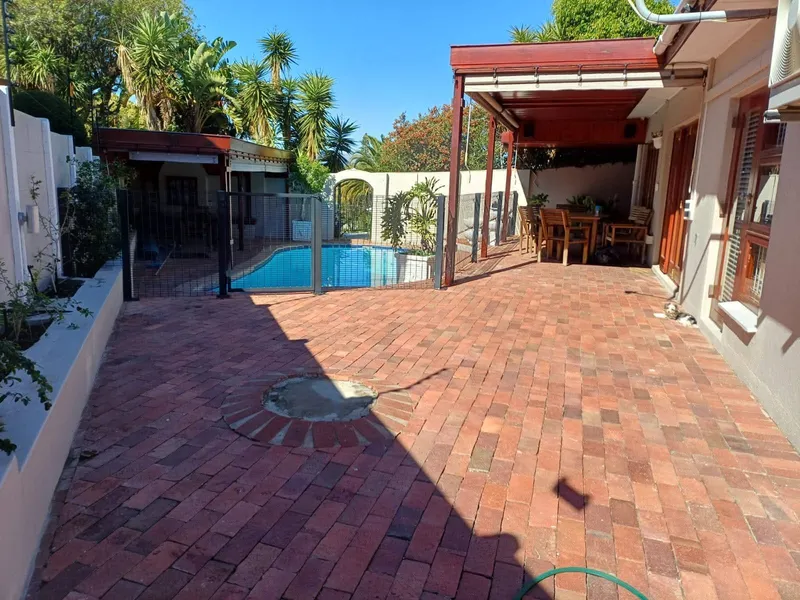
- Pool area: Wooden privacy fencing or glass balustrade
- Garden division: Wooden slat fencing or low welded mesh with climbing plants
This approach lets you allocate your budget where it matters most: maximum security on the perimeter, aesthetics and privacy where you actually spend time.
Maintaining Your Fence Investment
Once your fence is installed, proper maintenance ensures you get the full lifespan from your investment:
- Steel fencing (clearview, palisade): Hose down quarterly, check for rust spots annually, touch up scratches with matching paint. Read our full fencing maintenance guide.
- Wooden fencing: Apply wood treatment every 1-2 years, replace damaged boards promptly, check for termite activity.
- Electric fencing: Test monthly, clear vegetation from wires, have energiser serviced annually.
- All fencing: Walk the perimeter monthly to check for damage, tampering, or erosion around posts. Contact our fence repair team if you spot any issues.
Making Your Final Decision
After reading this guide, you should have a clear understanding of every fencing option available to you as a South African property owner. For the majority of Cape Town residential and commercial properties, clearview fencing offers the best combination of security, aesthetics, durability, and long-term value.
Whatever you choose, invest in quality materials and professional installation. Fencing is a long-term investment that protects your property, your family, and your peace of mind for decades. Cutting corners on materials or installation is a false economy that you will regret.
Ready to start your fencing project? Here are your next steps:
- Use our cost calculator for an instant estimate
- Request a free, detailed quote from our team
- Browse our project gallery to see completed installations
- Read our installation guide to understand the process
- Contact us with any questions
We install fencing across the greater Cape Town area, including Stellenbosch, Paarl, Somerset West, and all suburbs in between. Our team is ready to help you choose, plan, and install the right fence for your property.